After saying goodbye to the Maasai Mara, we have another five hours’ drive ahead of us.
The next stop is Lake Nakuru National Park, which we decided to include in our itinerary for one reason in particular: it is one of the best places in Kenya to see rhinos in the wild.
Along the way, the landscape changes completely. The vast expanses of savannah give way to rolling green hills, farmland and small villages that become increasingly frequent. We also pass through Nakuru, Kenya’s fourth most populous city, before reaching our accommodation.
The way people experience a safari is changing too.
After spending three nights in a tent surrounded by nature, we arrive at the Sarova Lion Hill Game Lodge, a resort overlooking the lake. Instead of a canvas tent, we find a proper brick-built bungalow, with all the comforts of a hotel. The atmosphere is decidedly more touristy, but being close to nature remains the main attraction.
Lake Nakuru National Park is very different from the Maasai Mara.
Here, the route mainly follows a wide dirt track that runs alongside the lake, a freshwater body covering an area of around 40 square kilometres.
In recent years, the water level has risen gradually, profoundly altering the park’s ecosystem. One of the most obvious consequences concerns the Flamingos: they were once the symbol of Lake Nakuru and used to turn whole stretches of the shoreline pink. Today, with the disappearance of much of the algae on which they fed, they have moved to other lakes in the Rift Valley and, to some extent, to Uganda as well.
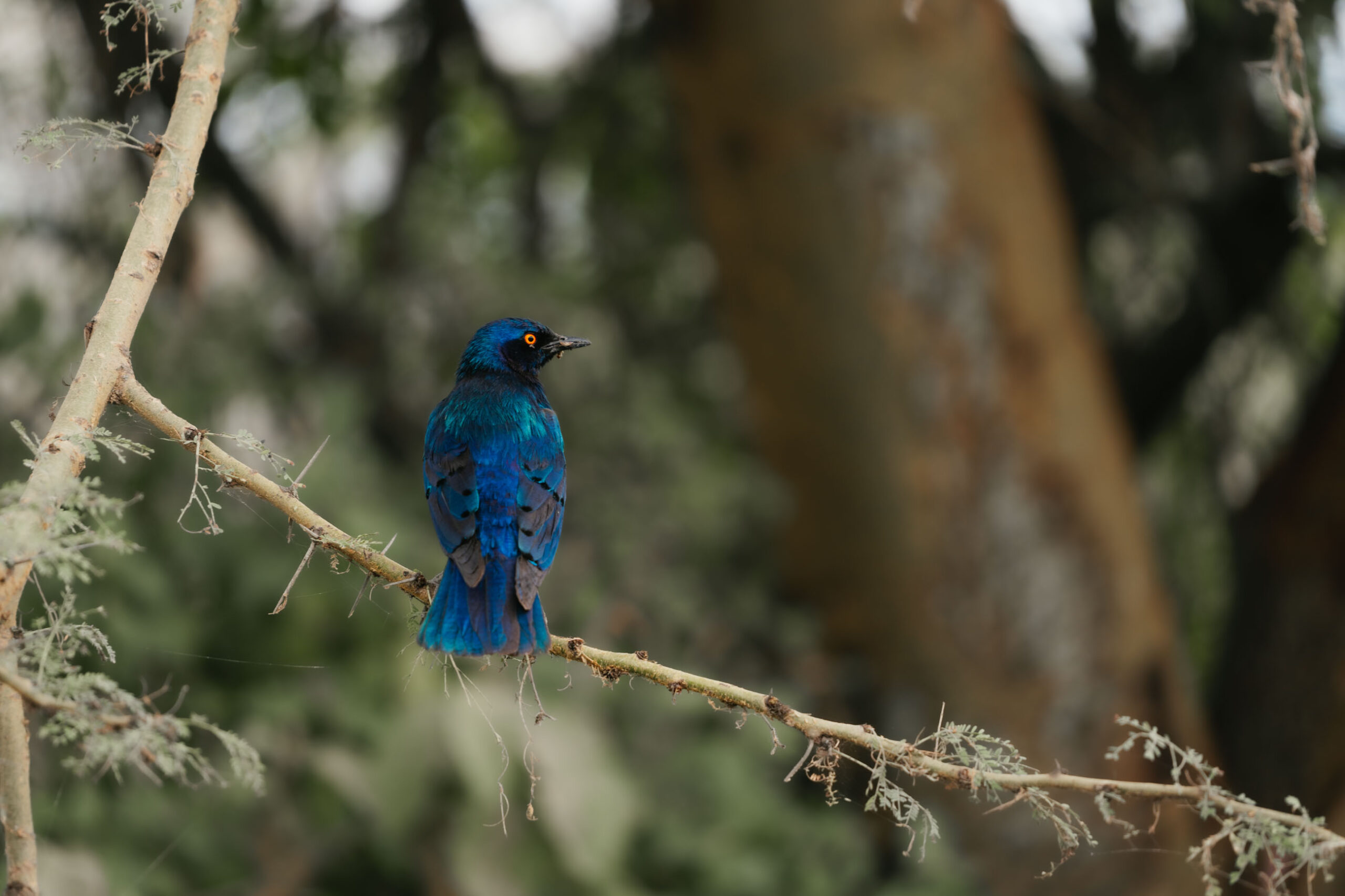
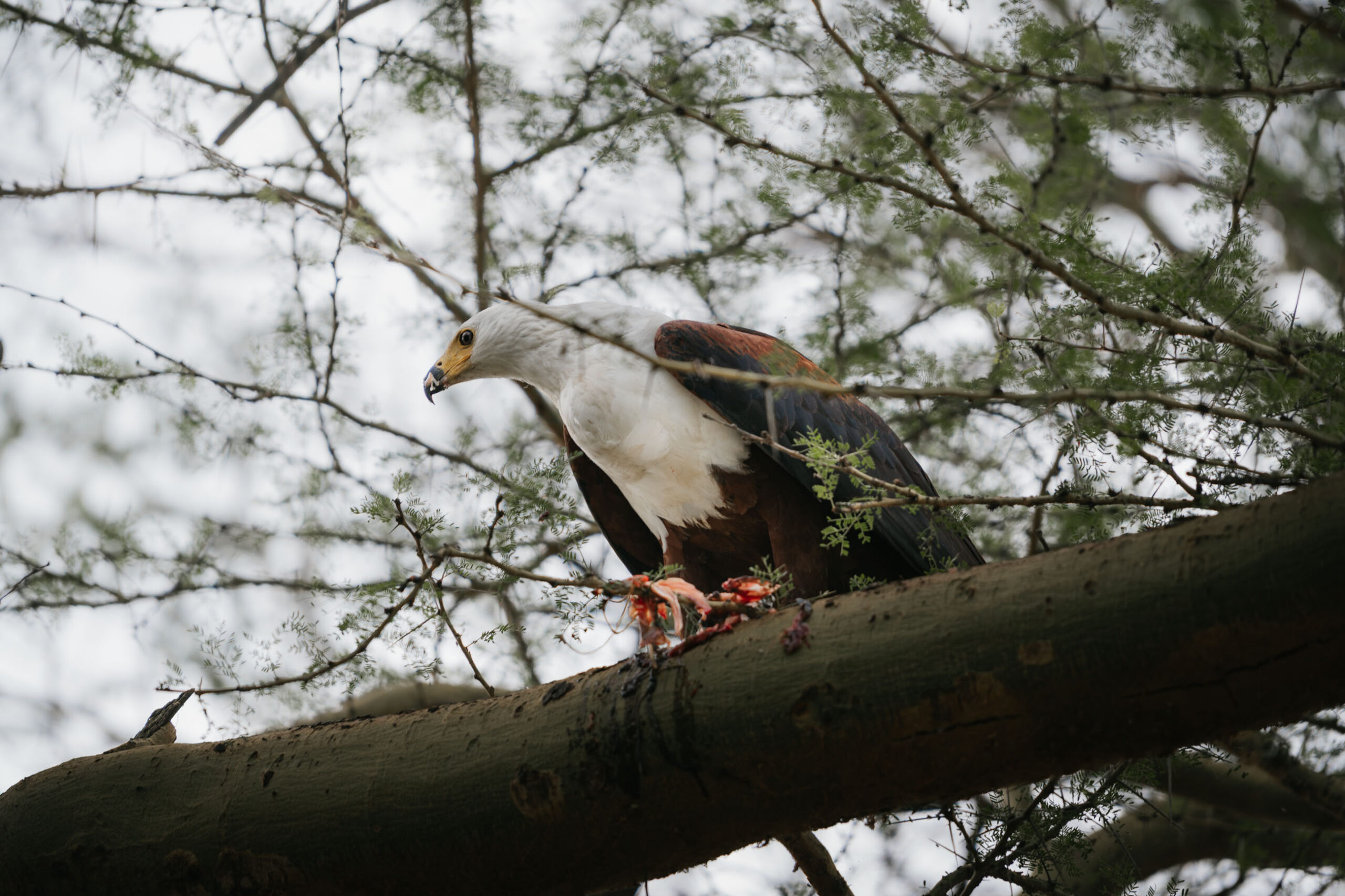
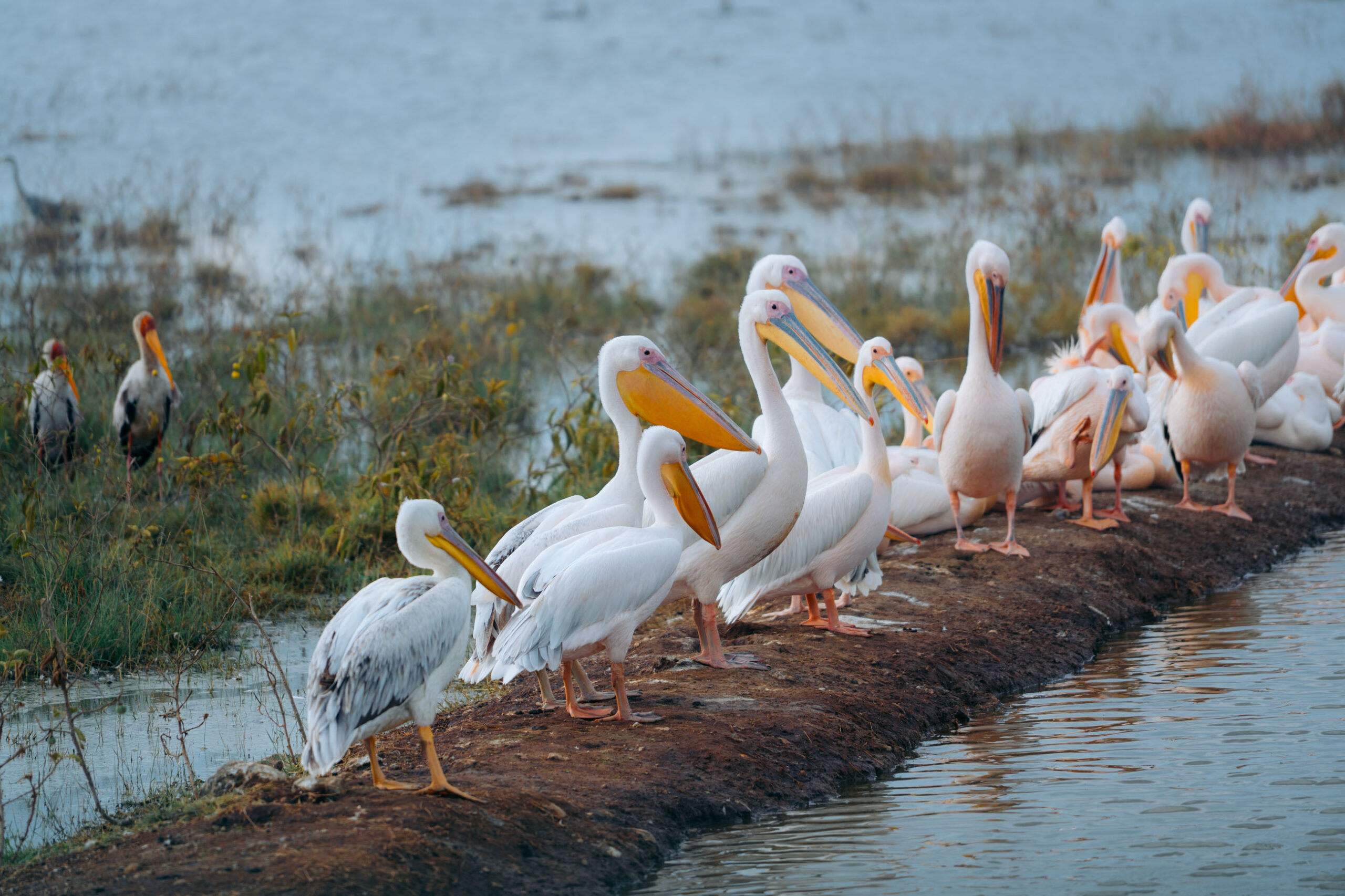
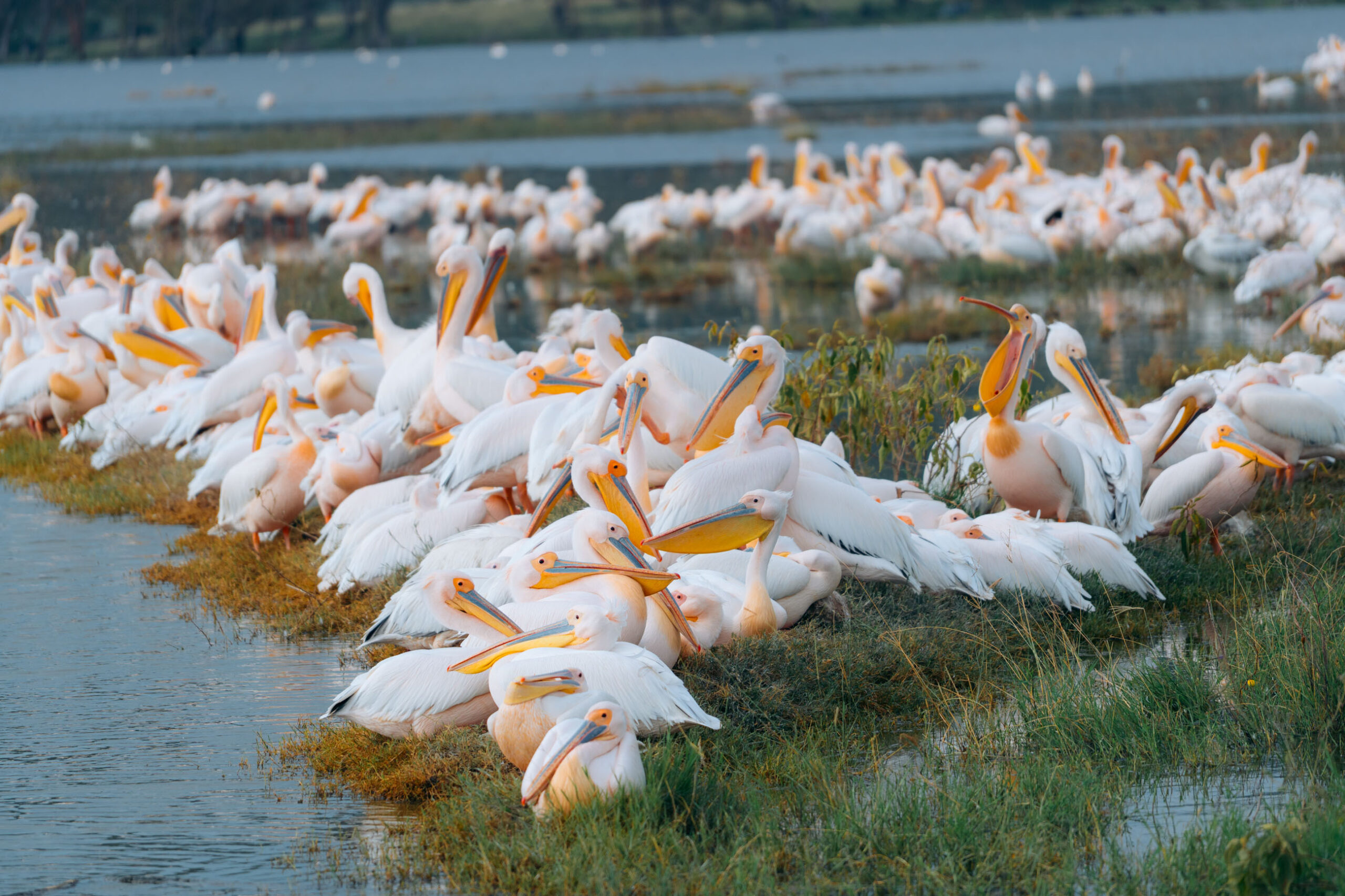
Despite this, the park continues to be home to an extraordinary variety of birds. During our safari, we spot cormorants, pelicans, fish eagles, hoopoes and storks, as well as many other species.
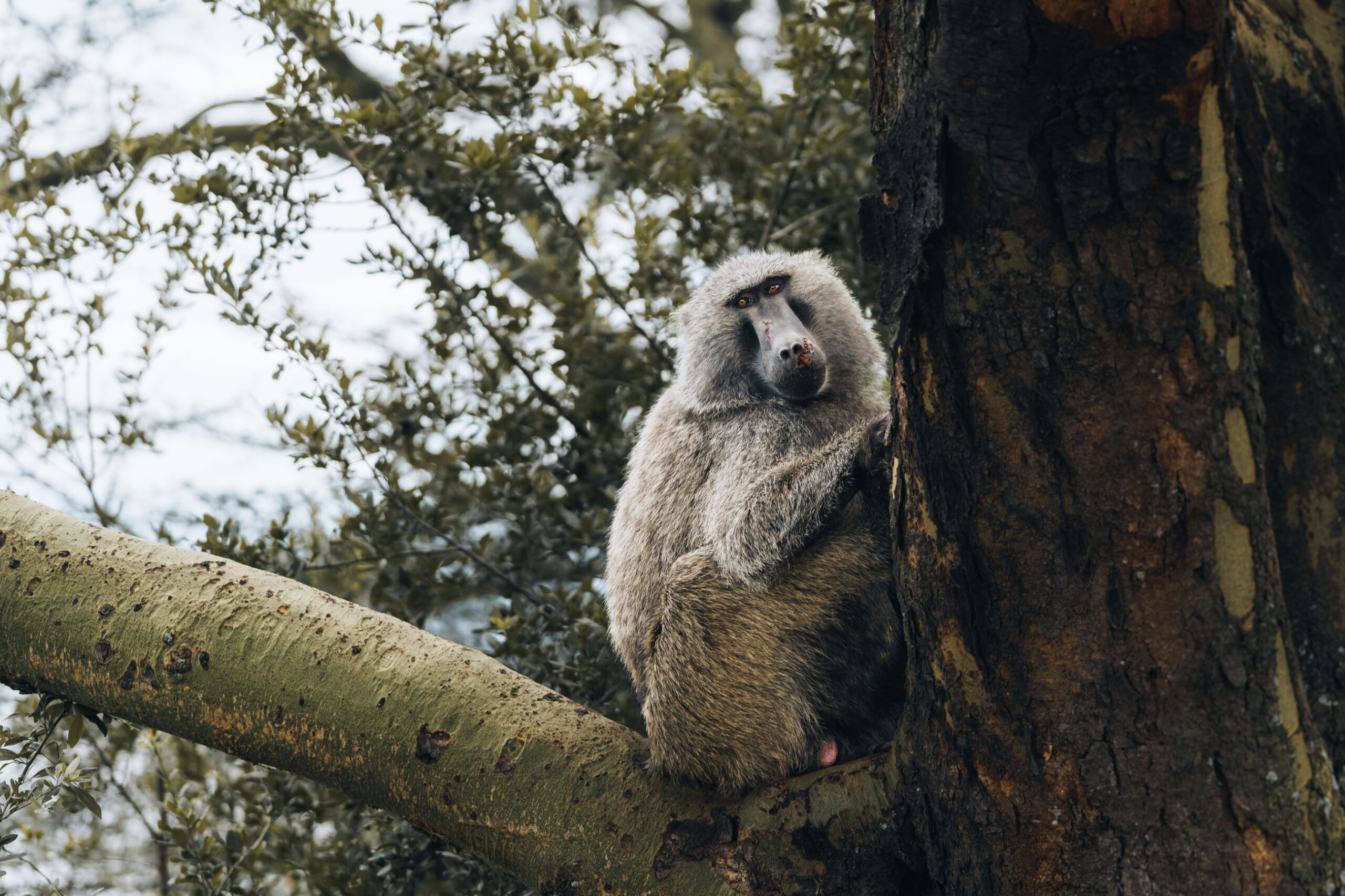
There is no shortage of large mammals either.
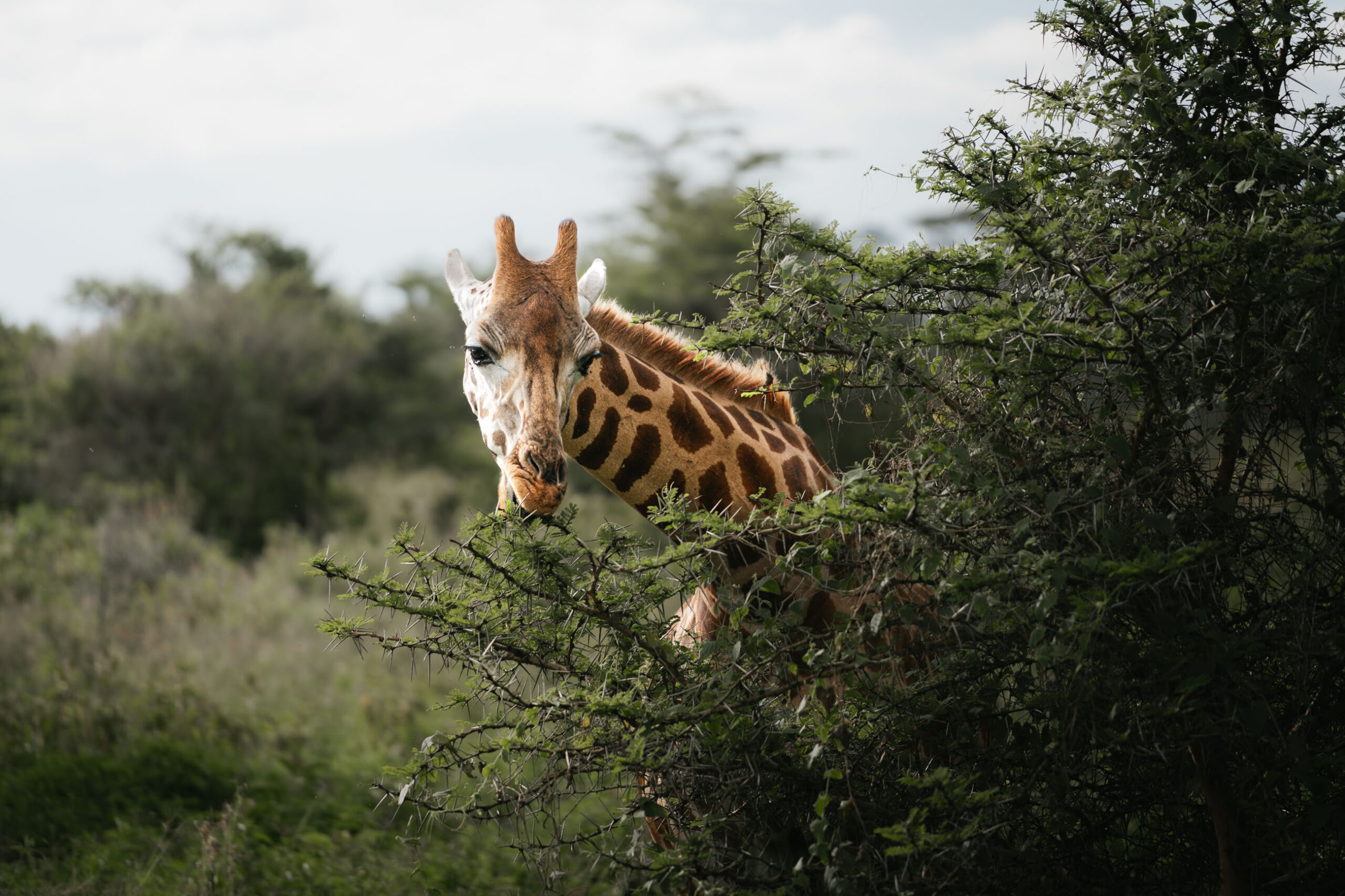
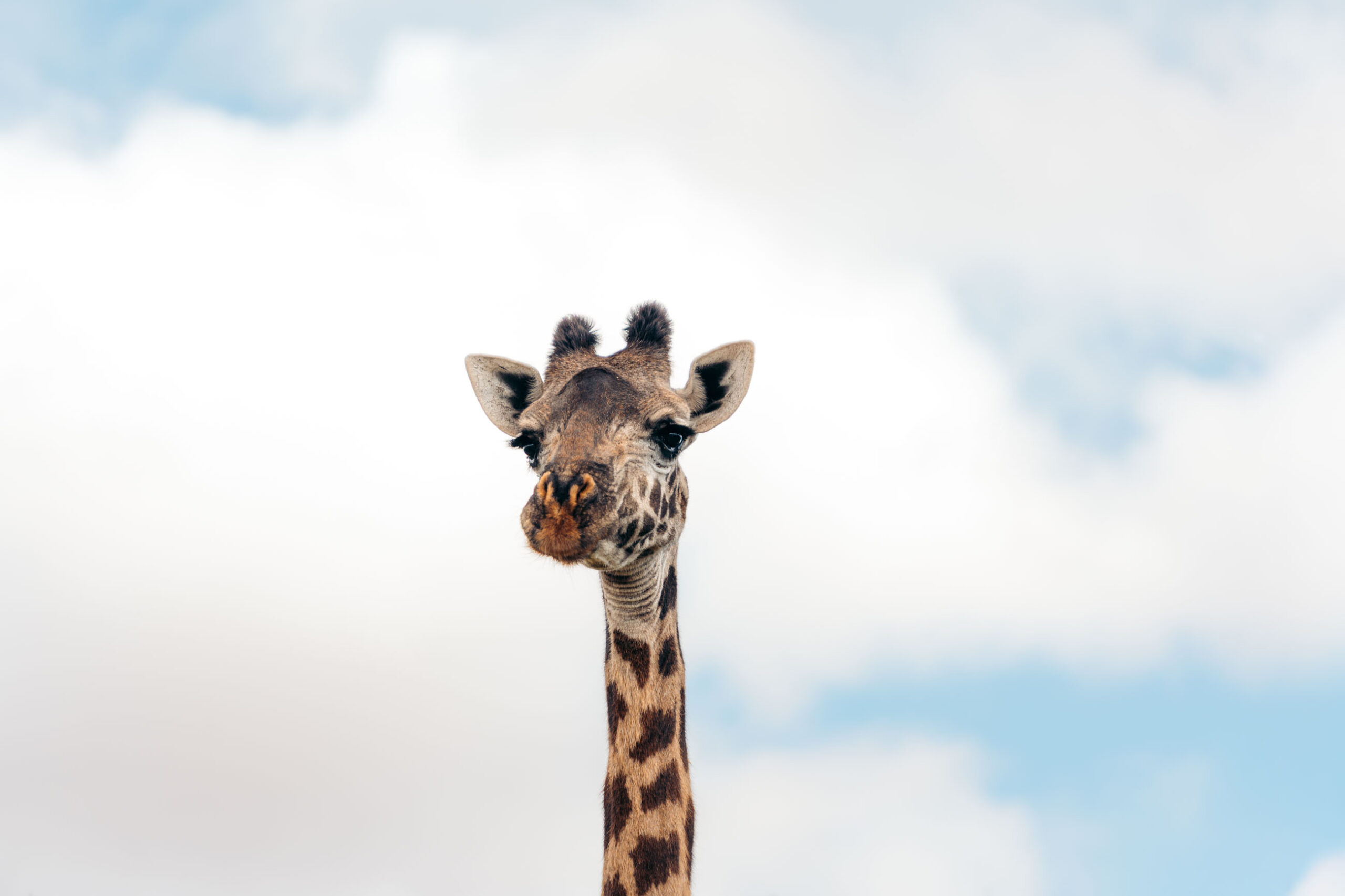
We come across zebras, buffalo, lions and Rothschild’s giraffes, which are easily recognisable by their lighter-coloured coats compared to the giraffes of the Maasai Mara.
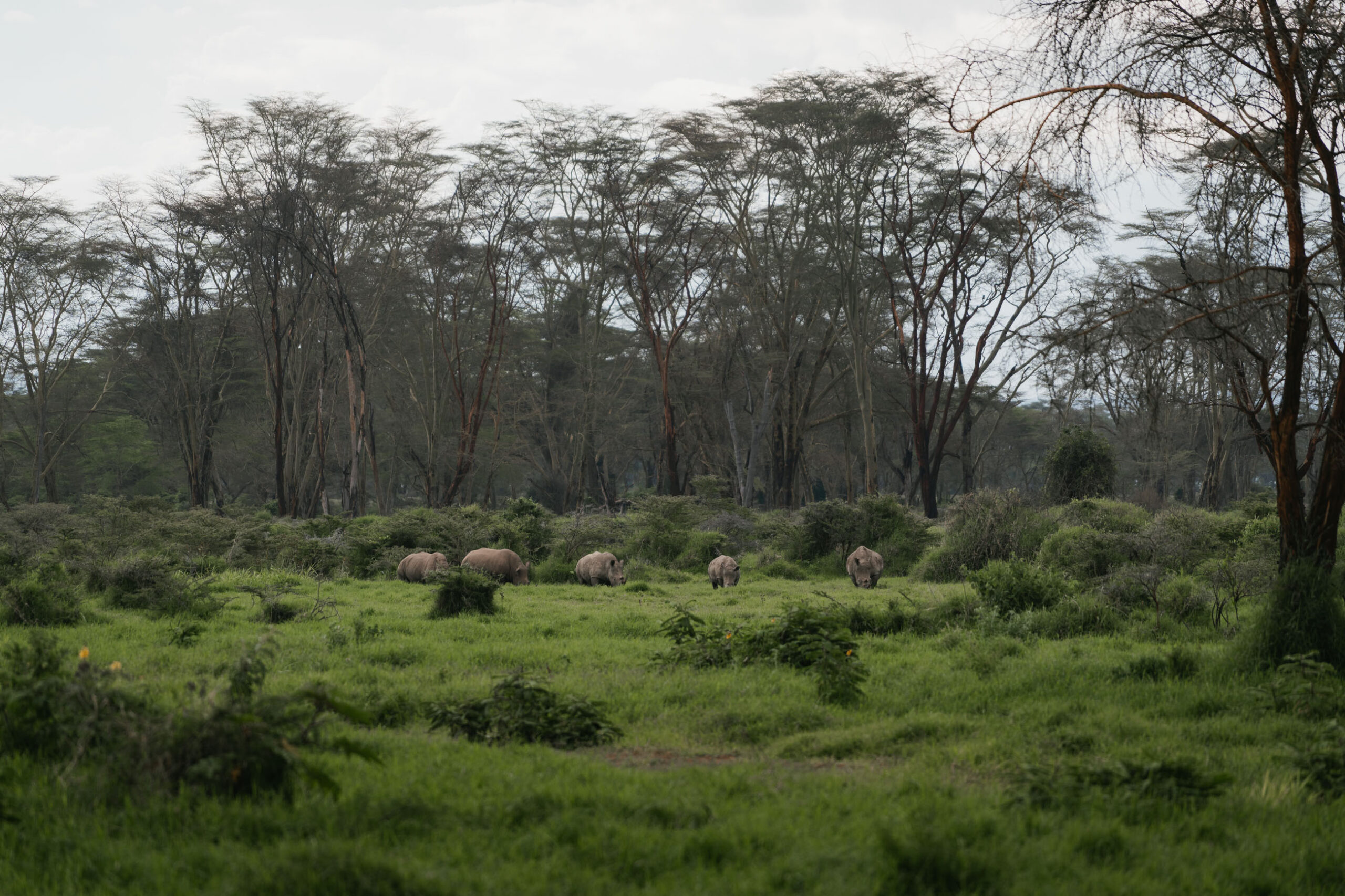
But the animal everyone hopes to see is undoubtedly the rhinoceros.
Lake Nakuru is one of the main sanctuaries for the conservation of this species. Rafael tells us that there are around fifty white rhinos and about twenty black rhinos living within the park.
We are lucky enough to spot several white specimens.
Rafael also explains an interesting way to tell them apart. Contrary to what one might think, colour has nothing to do with it: the main difference lies in the shape of the mouth. The white rhinoceros has a broad, flat snout, perfect for grazing on grass, whilst the black rhinoceros has a pointed lip, ideal for feeding on the leaves and twigs of shrubs.
He also tells us that the black rhino is still seriously threatened by poaching, whilst the white rhino is often moved from one park to another to maintain the balance of the population and ensure sufficient grazing land.
But the biggest surprise of the day comes when we least expect it.
Yet another leopard.
We see him suddenly emerge from among the acacia trees, all alone. For a few moments he stands still, watching us, then continues on his way and disappears into the thick foliage just as quickly as he had appeared.
We are the only ones witnessing the scene.
Rafael smiles and says to us, ‘You bring good luck.’
Then he asks me to send him some photographs. He wants to show them to a park guide who, despite having worked here for years, has still never managed to spot a leopard even once.
Privacy Settings
This website uses cookies to improve your experience while you navigate through the website.
View the Cookie Policy View the Personal Data Policy
Google Fonts è un servizio per visualizzare gli stili dei caratteri di scrittura gestito da Google Ireland Limited e serve ad integrare tali contenuti all’interno delle proprie pagine.
Luogo del trattamento: Irlanda - Privacy Policy