We leave Lake Nakuru at first light. Our destination is Amboseli National Park, one of Kenya’s most iconic parks thanks to the presence of Mount Kilimanjaro in the background.
The journey is a long one and takes us past Nairobi once again. We travel along what is the country’s main motorway, a road linking the capital to the Indian Ocean coast, all the way to Mombasa and Watamu.
Running alongside the tarmac is Kenya’s new railway line, which was opened a few years ago and built by Chinese companies. Rafael tells us that it has radically changed the way people travel between Nairobi and the coast.
Every time he sees the train go past, his face lights up.
She smiles and points at it enthusiastically, just as we do when we spot a lion.
After all, everyone has their own wonders.
The road, however, is anything but relaxing. It has just one lane in each direction, and the overtaking manoeuvres are often nothing short of incredible. At times, there are even four vehicles travelling side by side, whilst lorries, buses and cars all try to gain a few metres at the same time.
Once we’ve passed the village of Emali, the traffic thins out and we turn onto a side road.
It is during this stretch that I realise something that will stay with me throughout the journey.
We usually organise our own itineraries. We like to stop wherever we like, explore the villages, pop into shops and observe everyday life without any set plans.
In Kenya, it was different.
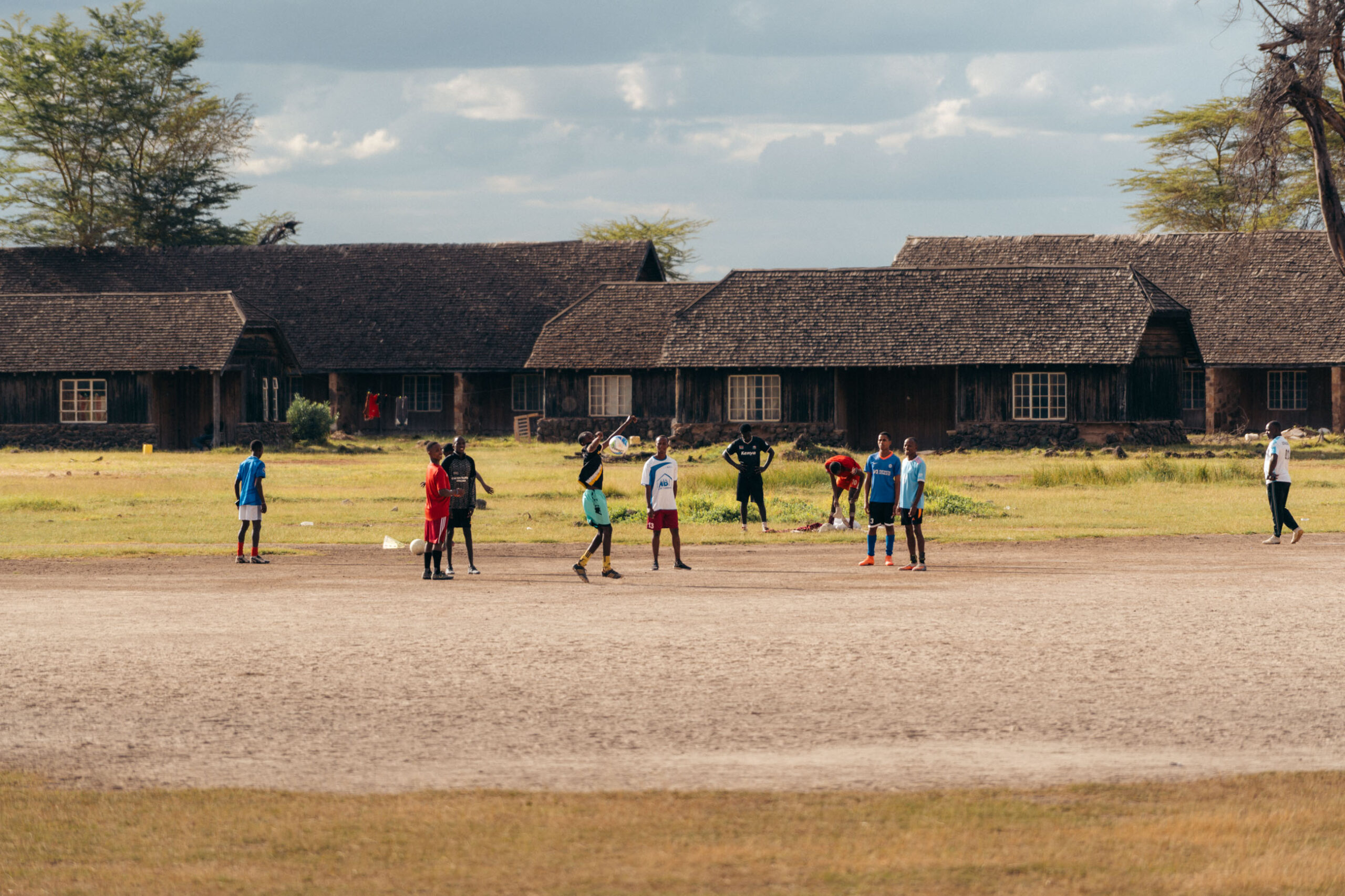
We pass through dozens of villages, almost all of which consist of small tin-roofed buildings, often painted with adverts for mobile phone companies such as Safaricom.
And yet we never stop.
I don’t even ask Rafael why.
Perhaps for safety reasons. Perhaps to prevent tourists from being constantly approached by street vendors. Perhaps simply because that’s how organised safaris work.
The fact remains that all the jeeps follow the same pattern: you stop only at designated rest areas – large service stations with toilets, restaurants and souvenir shops.
For those who are used to travelling independently, it’s an unusual feeling.
It’s like looking at Kenya up close without actually being able to go there.
The final stretch leading to the entrance to Amboseli National Park is entirely unpaved.
The landscape changes once again.
Compared with the Maasai Mara the vegetation is much more arid. The trees are sparser, and the ground is dry and dusty , although here and there there are large green expanses fed by the waters flowing down from Kilimanjaro.
And then there’s him.
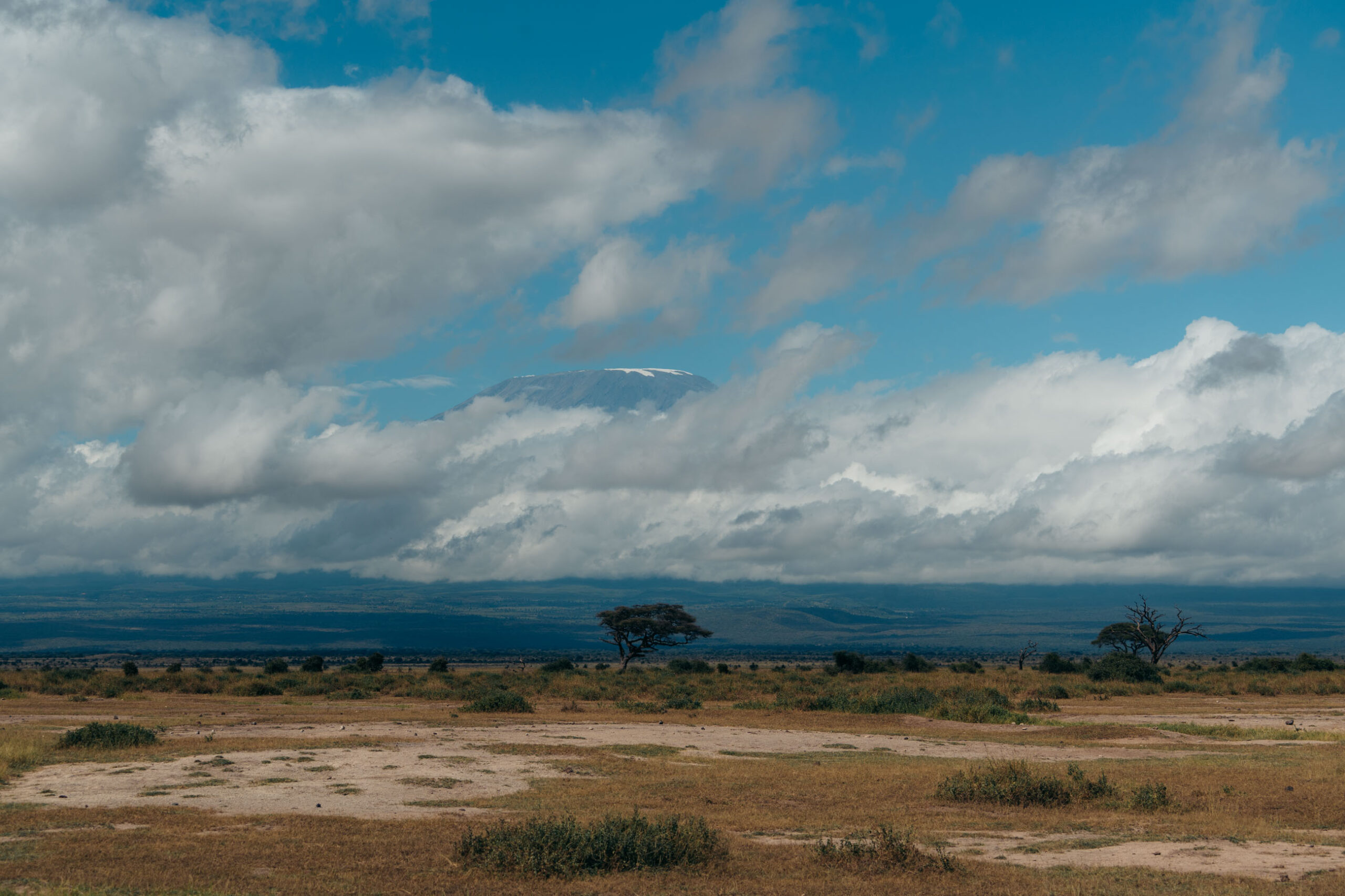
The highest mountain of Africa.
For most of the day it remains hidden by the clouds, but every now and then the summit appears on the horizon, offering one of the continent’s most iconic views.
We’re back at the border with Tanzania.
The safari is different from what it was in the early days, too.
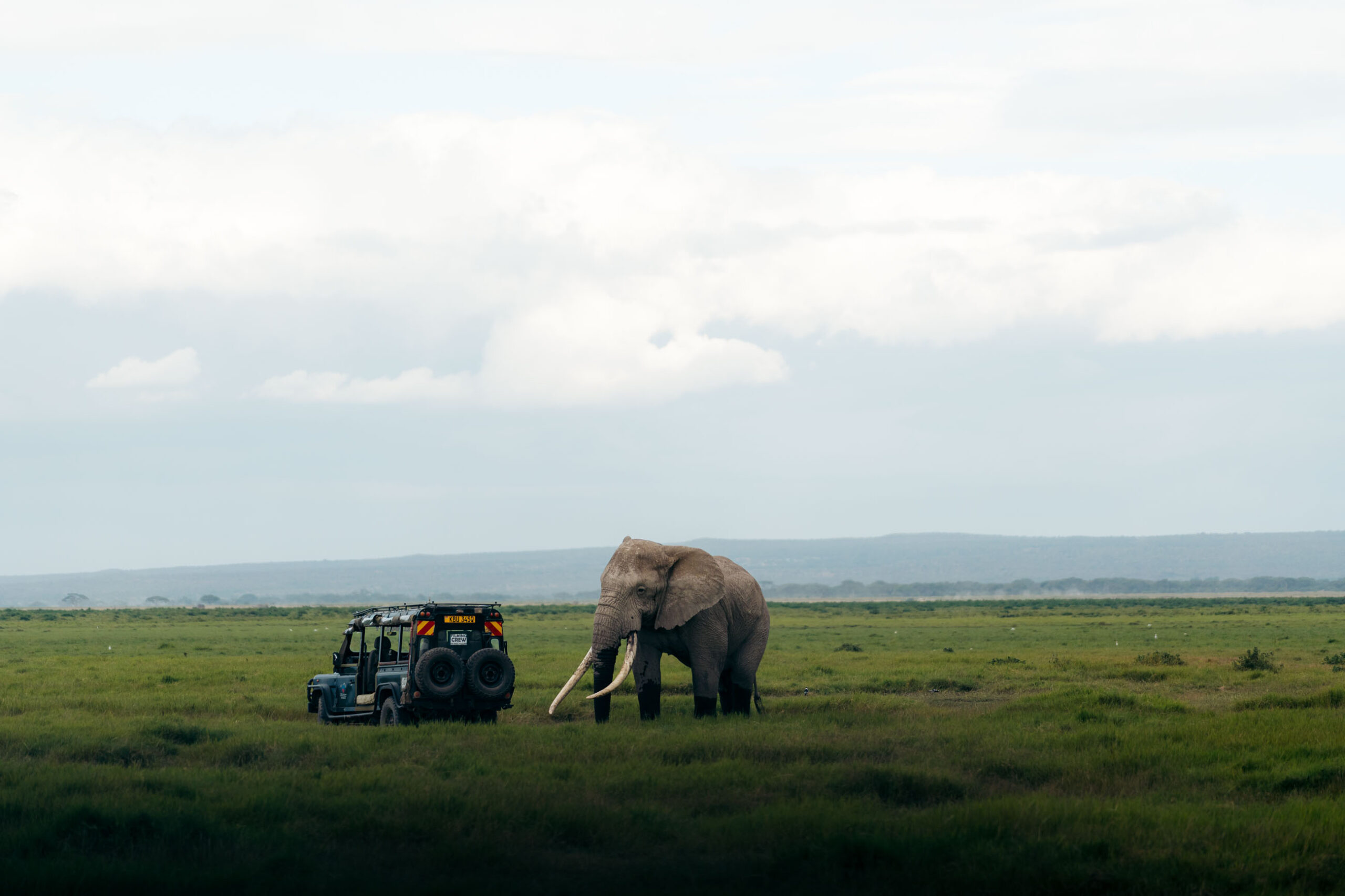
Here, you are not allowed to leave the marked trails to approach the animals. You must stay on the authorised paths and wait for them to come into view.
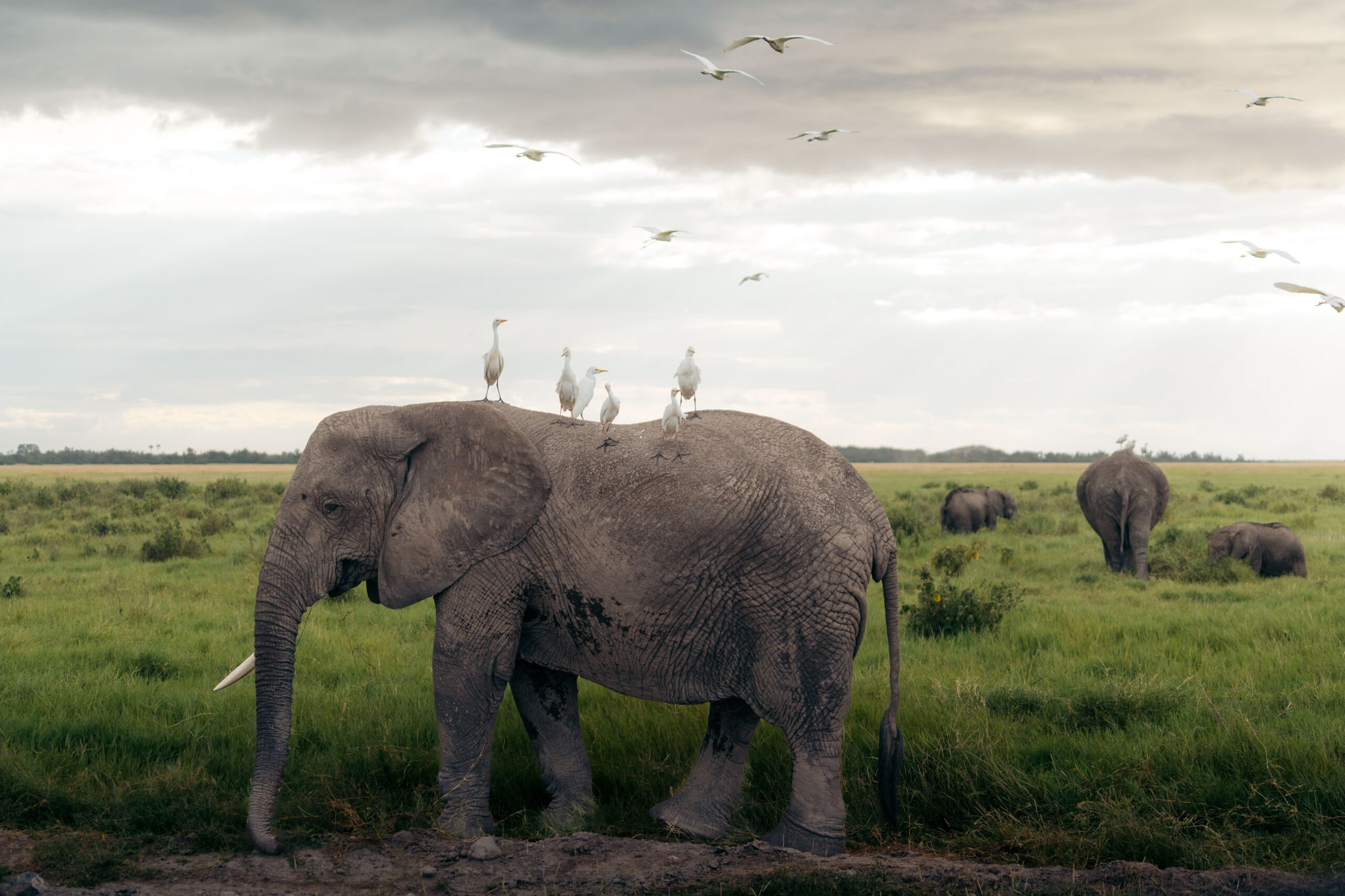
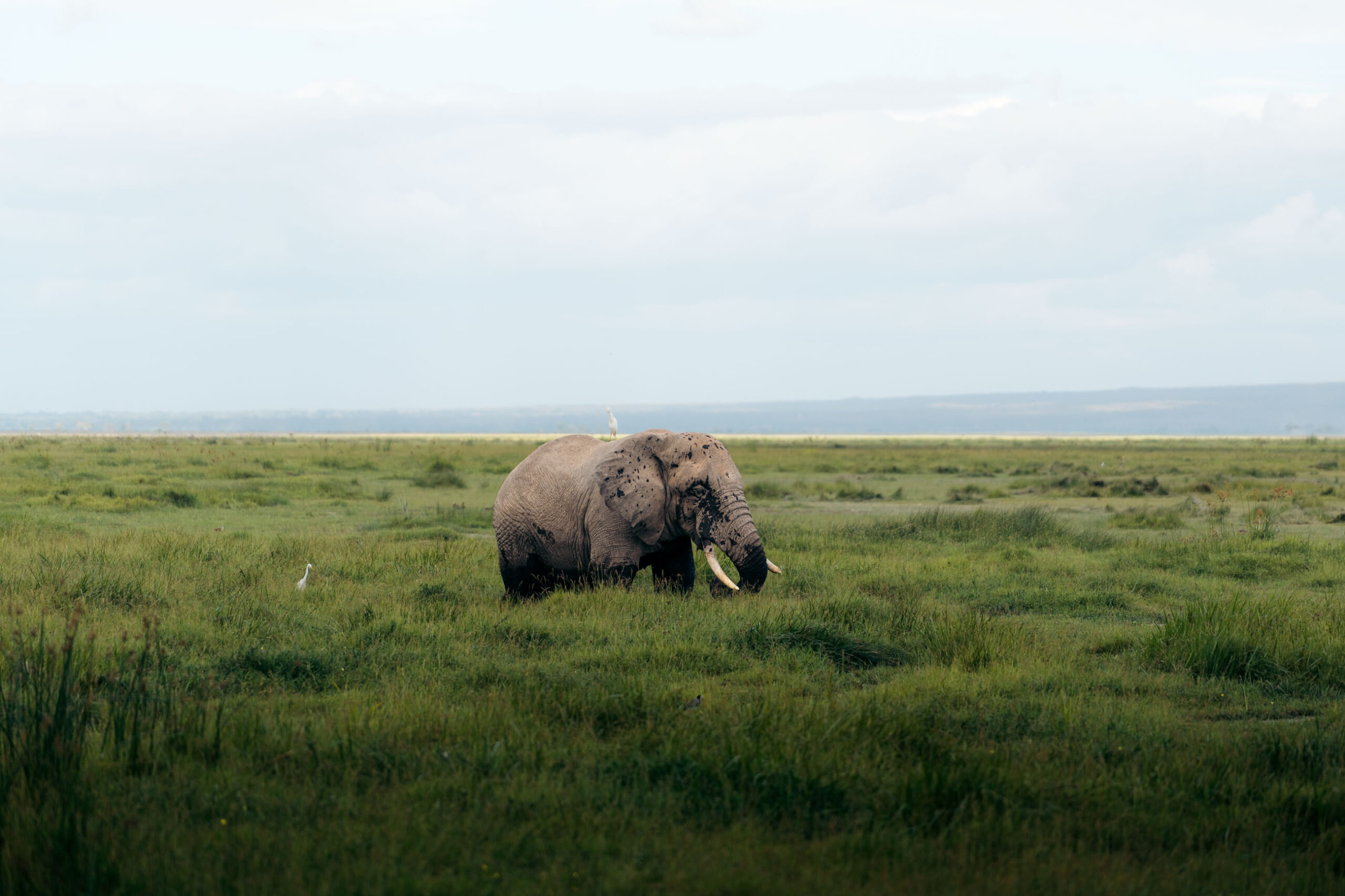
Amboseli is best known for its elephants.
Large families move slowly across the savannah, often with small cubs in tow.
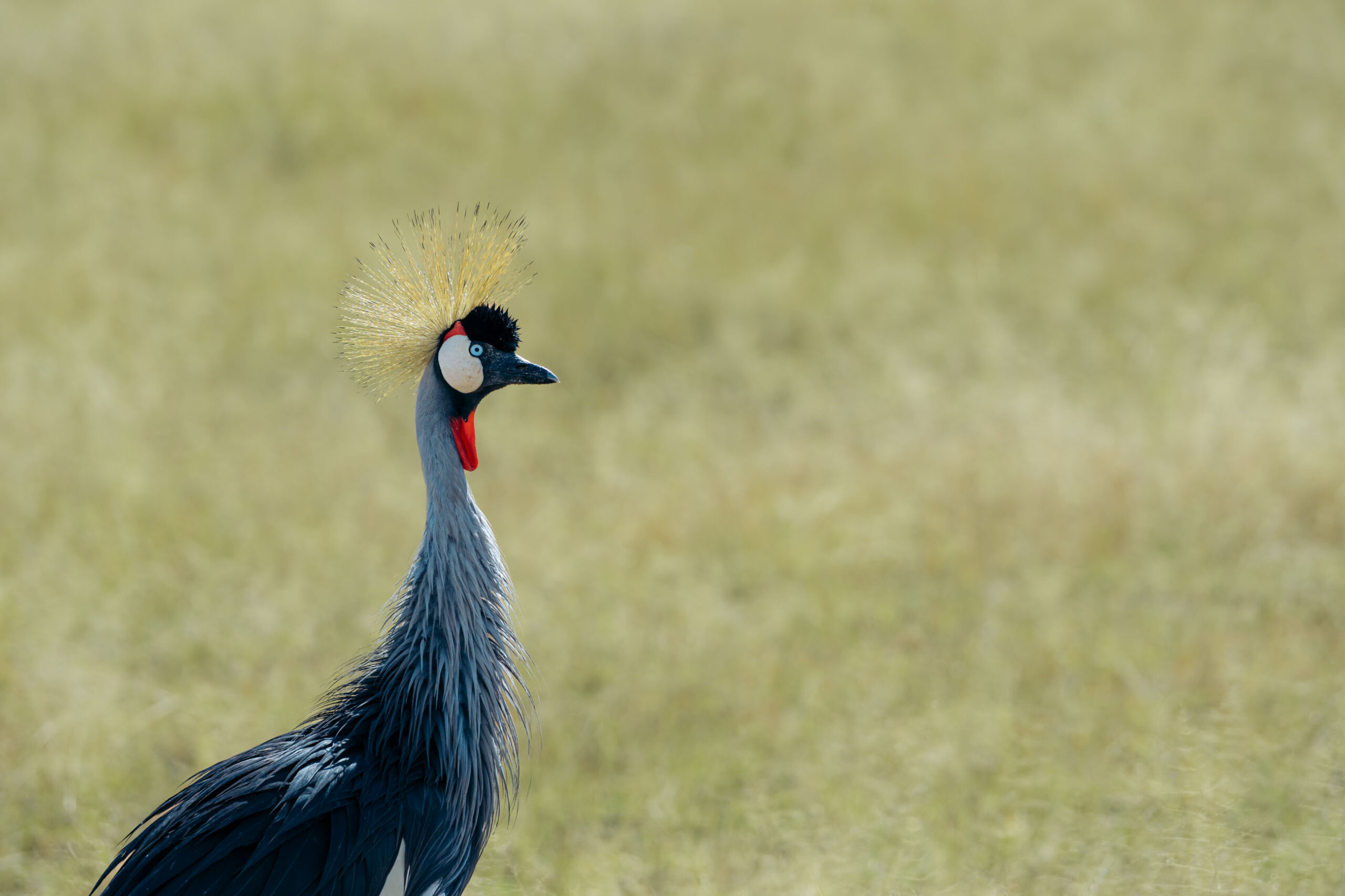
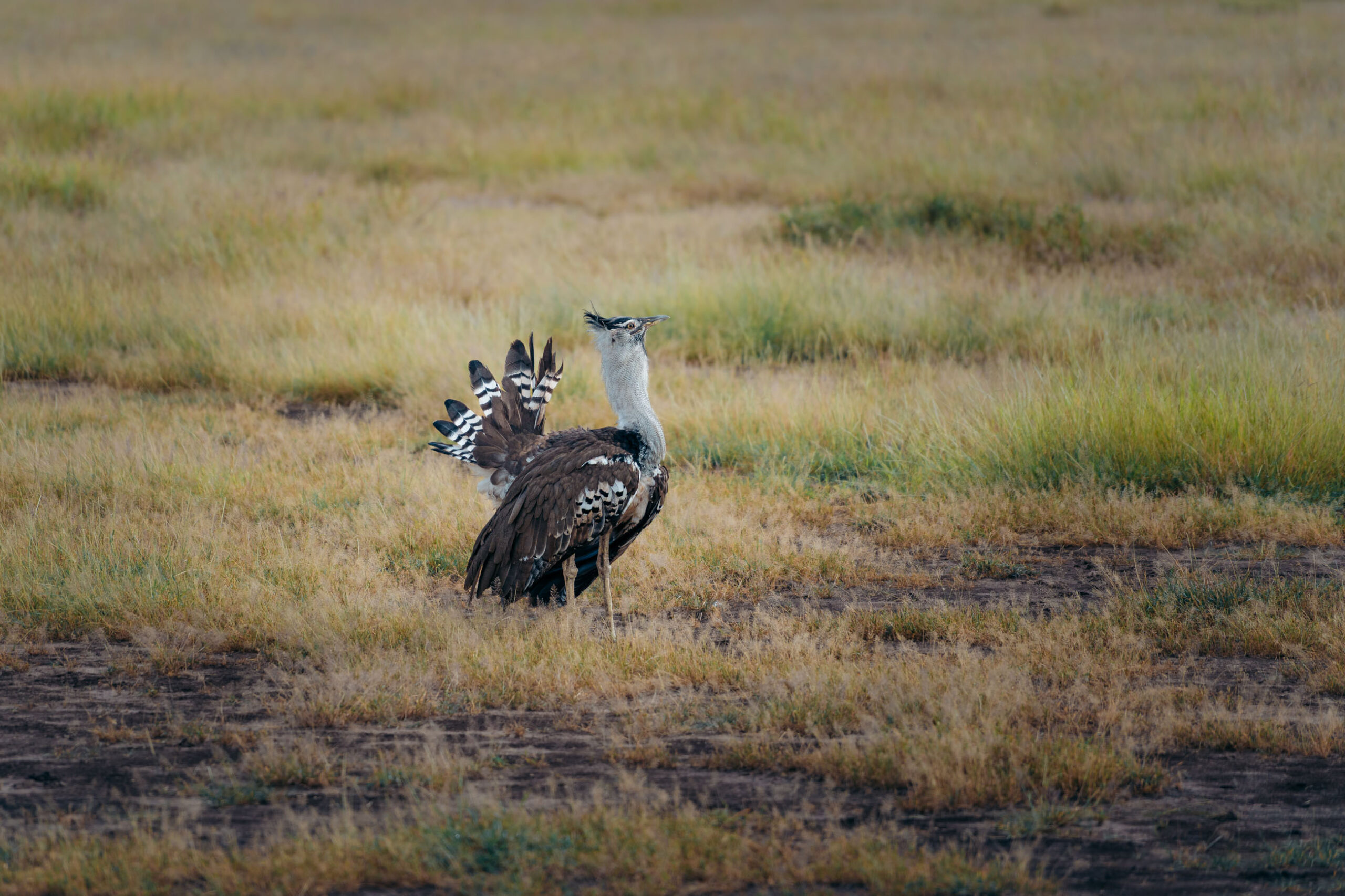
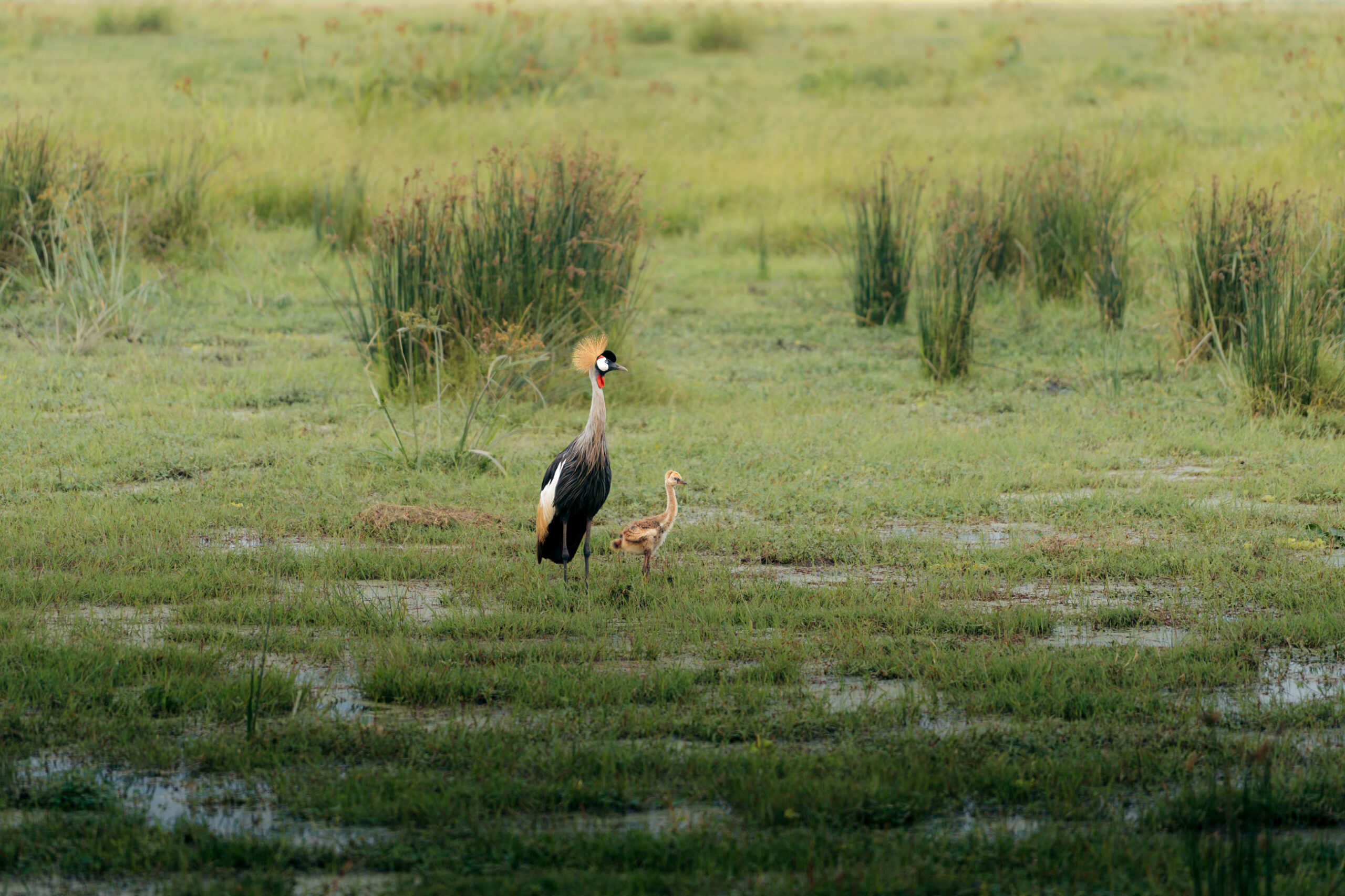
Among the most curious sightings are also numerous species of birds. We are able to spot the spectacular crowned crane and the Kori’s bustard, considered the heaviest flying bird in Africa.
Of course, there’s no shortage of zebras, giraffes, antelopes and wildebeest.
After so many days on safari, we realise something rather funny: animals that, just a week ago, we would have spent half an hour photographing, we now greet almost absent-mindedly, as if they had become part of the landscape.
Then comes the moment that completely melts our hearts.
A female elephant crosses the track with a puppy born just a few days ago.
He’s still walking unsteadily, keeps tripping over things and always stays very close to his mother.
These scenes convey the essence of nature far more effectively than any photograph.
Our final night’s accommodation is at the Tulia Amboseli Safari Camp, just outside the reserve.
We’re sleeping in a tent again this time, but the atmosphere is different from that in the Maasai Mara. Here, you don’t need to be accompanied to move around the camp after sunset, and the night is much quieter.
Perhaps we’re simply more tired.
Or perhaps, after spending so many days in the savannah, we’ve grown accustomed to its sounds as well.
We fall asleep knowing that our final game drive awaits us the following morning.
Then the journey to Nairobi.
The flight.
The return home.
We’re setting off with thousands of photographs, a few dusty dresses and lots of memories.
But the most important luggage is invisible.
Kenya has reminded us just how much bigger the world is than our everyday lives. It has taught us to be patient whilst waiting for a sighting, to observe without rushing, and to accept that nature has its own pace, which we cannot control.
And perhaps that is precisely the most precious thing we take home with us.
It wasn’t just about seeing the animals of Africa.
But to have learnt, even if only for a few days, to feel like guests in their world.
Privacy Settings
This website uses cookies to improve your experience while you navigate through the website.
View the Cookie Policy View the Personal Data Policy
Google Fonts è un servizio per visualizzare gli stili dei caratteri di scrittura gestito da Google Ireland Limited e serve ad integrare tali contenuti all’interno delle proprie pagine.
Luogo del trattamento: Irlanda - Privacy Policy