days 1-2

HANOI: chaos, everyday life and traditional villages

legend

✴️ = best choice!

DAY 1

ARRIVAL IN HANOI

FROM JAPAN'S DISCIPLINE TO VIETNAM'S FRENZY

I can’t explain why, but Vietnam has always been one of those countries that I wanted to visit sooner or later. Perhaps it was because of its endless rice fields or the boats skimming the rocks in Ha Long Bay, images I often saw in documentaries. So, I decided to go from seeing it on a screen to admiring and experiencing it with my own eyes.

We arrive on a direct flight from Tokyo Narita Airport. This is the second part of our trip to Asia and, although both countries belong to the same continent, the cultural difference could not be more striking. They are two extremes and, perhaps for this reason, acclimatising on the first day is not the easiest of tasks.

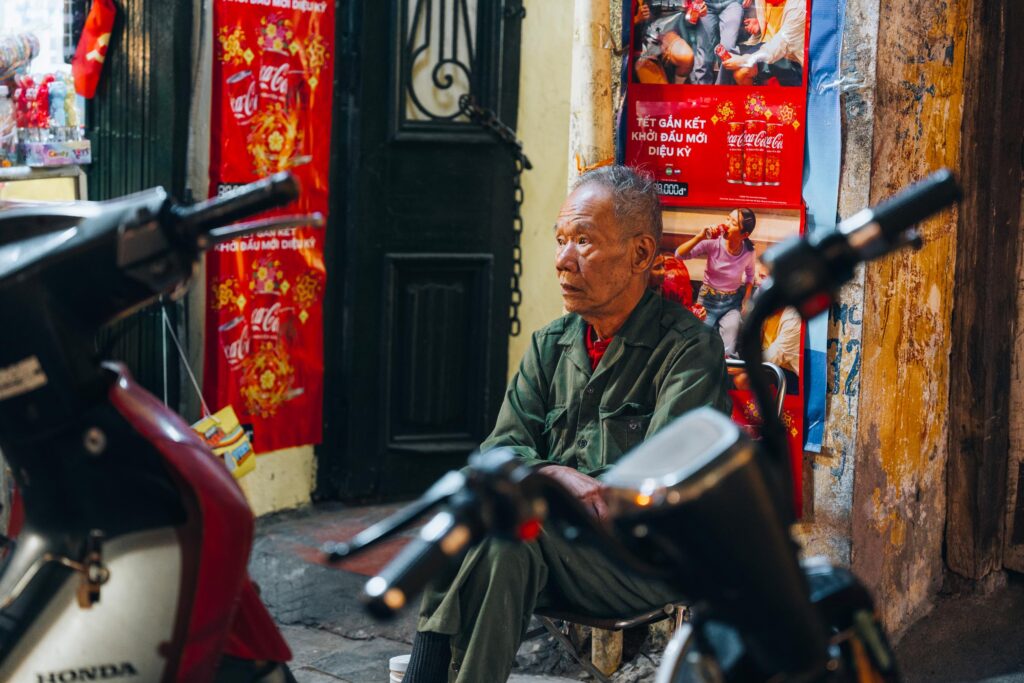
To give a trivial but clear example: in Japan, pedestrian crossings are also marked acoustically, with sounds that simulate birds to indicate direction, and the signage is also designed for blind people. In Vietnam, on the other hand, there are crossings, but they are completely ignored by drivers. After a few hours of observation, we realised that there is only one unwritten rule here: the biggest vehicle rules. Buses and lorries reign supreme, equipped with horns almost as powerful as those on cruise ships; followed by cars and, finally, motorbikes, which are numerous and treated almost like bicycles. It is no coincidence that almost no one wears a helmet, and it is not uncommon to see entire families — including babies — crammed onto a single motorbike. Pedestrians? It is as if they do not exist: if you cross the road, cross yourself and hope that they dodge you at the last moment.

The same goes for food. The first place we go to eat, in the heart of Hanoi’s historic district — the most touristy — consists of low stools (the kind children sit on, to be clear) and a small table in the middle of the street, which probably hasn’t seen a sponge in days. At the end of the evening, the pans are washed directly in the street, in large tubs, always under the gaze of passers-by.
This was our first real encounter with Vietnam.

Then, whether out of habit or because we discovered a thousand other wonders, the experience improved, revealing a chaotic country but, at the same time, one that was extraordinarily authentic and surprising.
What we saw

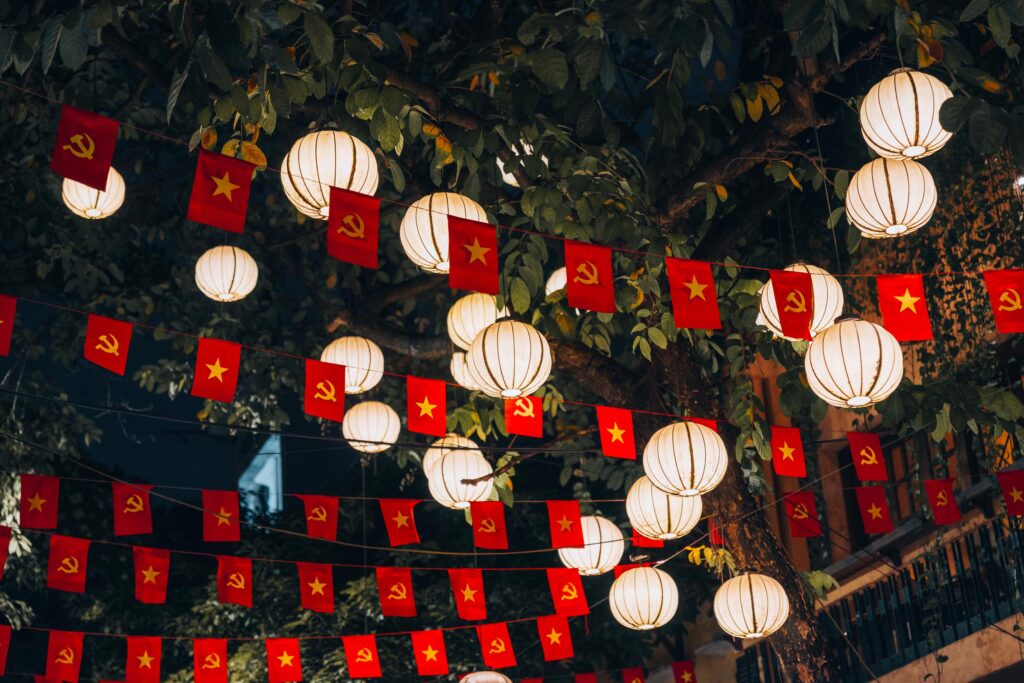
Once we arrived in the old quarter, we began to lose ourselves in the more touristy streets, such as the shopping street — where almost all the shops sell counterfeit sportswear from brands such as Patagonia, Arc’teryx and The North Face — and the famous Bia Hoi street, named after the traditional Vietnamese beer.

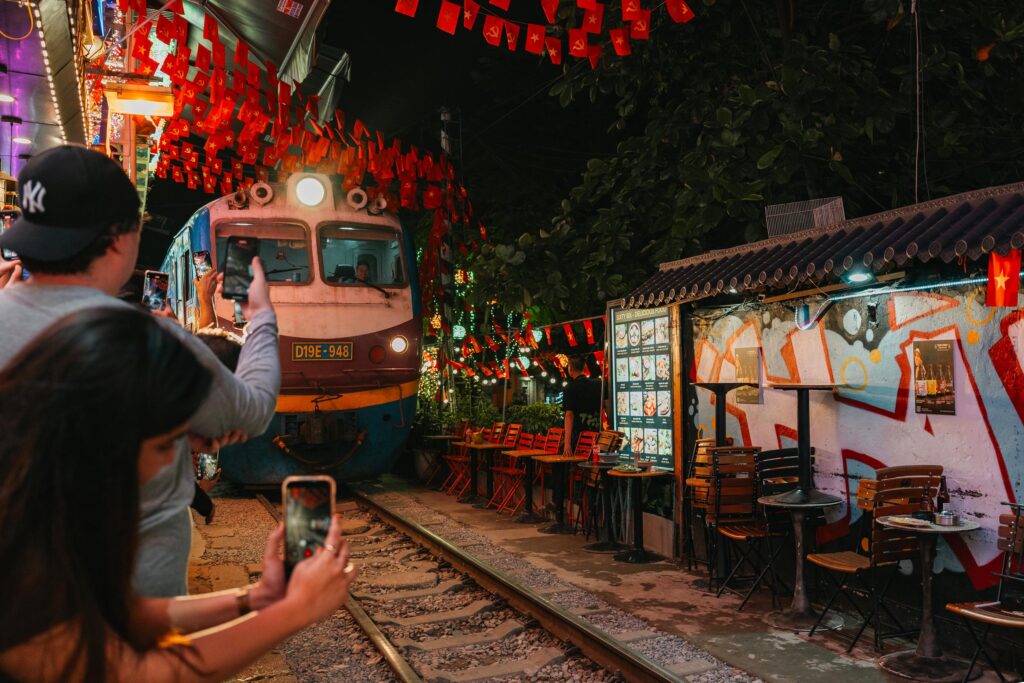
Before dinner, we stopped for an aperitif at Hanoi Train Street, a narrow street crossed, more or less twice a day, by the train bound for Sa Pa. The train passes just a few centimetres from the tables of the bars and restaurants: a few moments before its arrival, the owners quickly clear everything away, leaving time for the train to pass through the heart of the street.

what we ate

Pho, the signature dish of Vietnamese cuisine: a fragrant and light rice noodle soup in beef broth, vaguely reminiscent of ramen.

WHERE WE STAYED

All our overnight stays in the capital were at the Classic Street Hotel Hanoi, which I had found among the recommended hotels in the National Geographic guide.

day 2

TRADITIONAL VILLAGES

AROUND THE CAPITAL

As we didn’t have many days to spend in Vietnam, we tried to pack as much as possible into these ten days, without straying too far from our main destinations.

Today’s goal is to explore as many traditional villages around Hanoi as we can. To do this, we ask the hotel to arrange a private taxi for half a day, which is the most convenient and flexible solution.

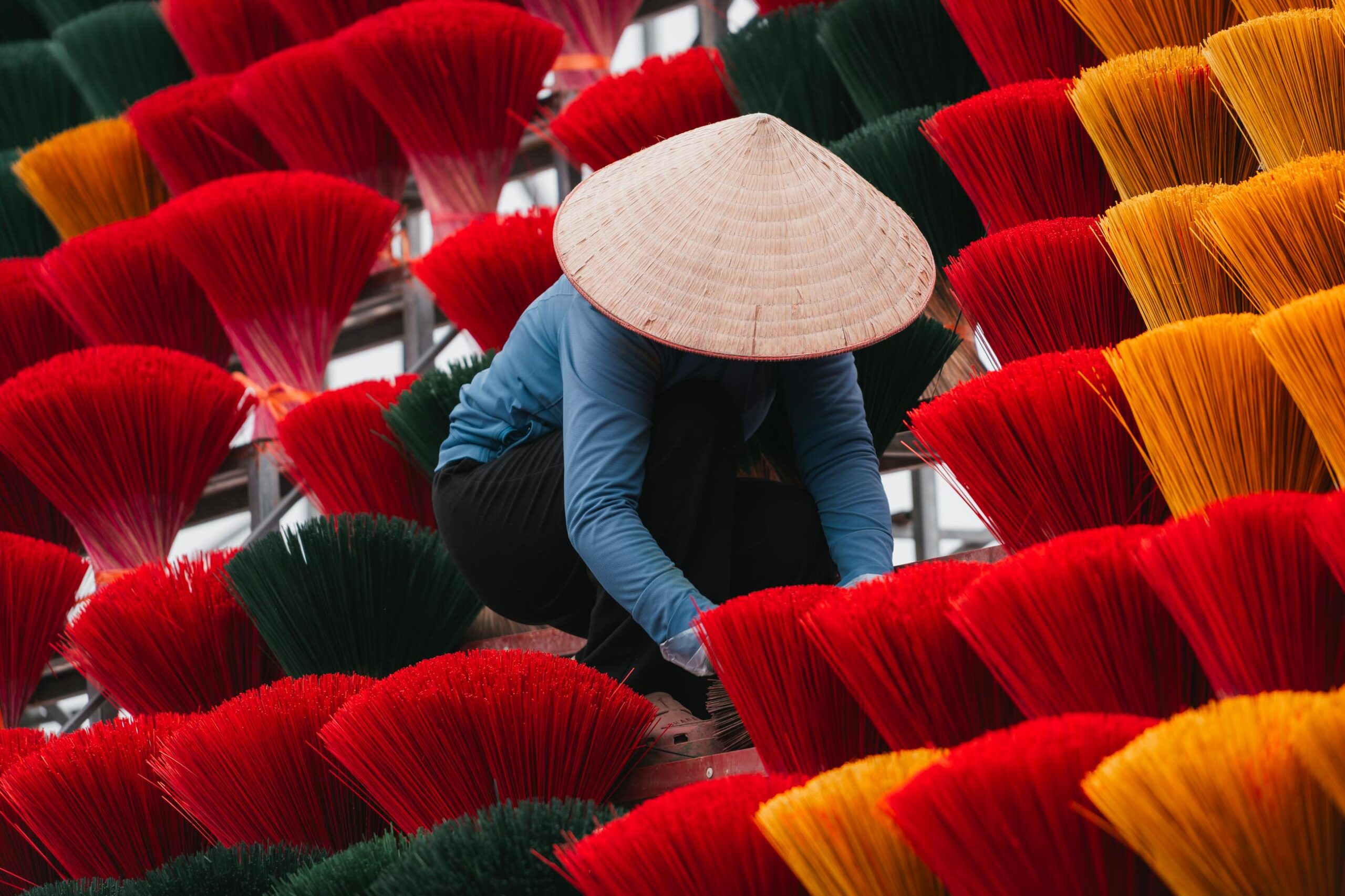
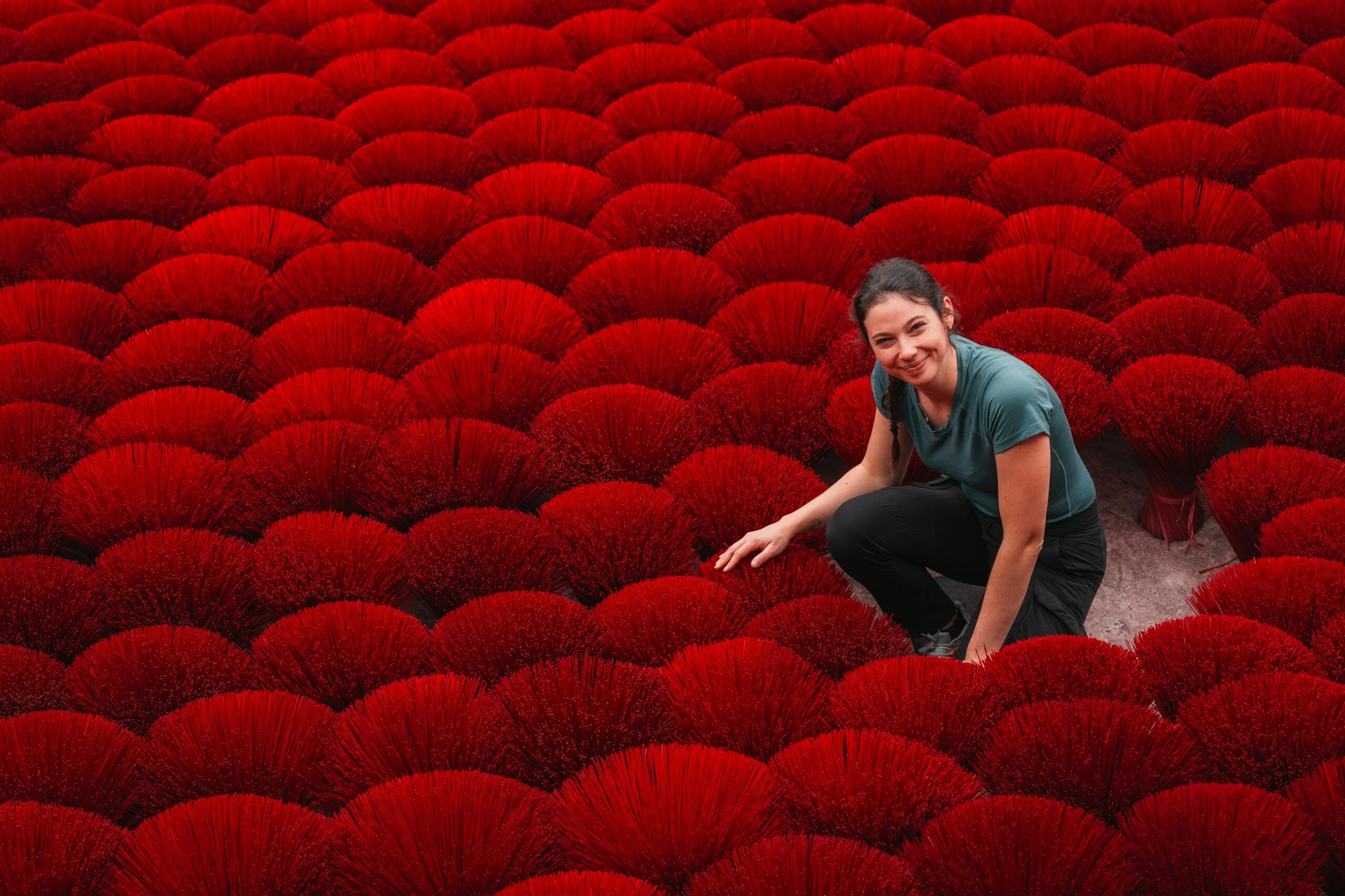
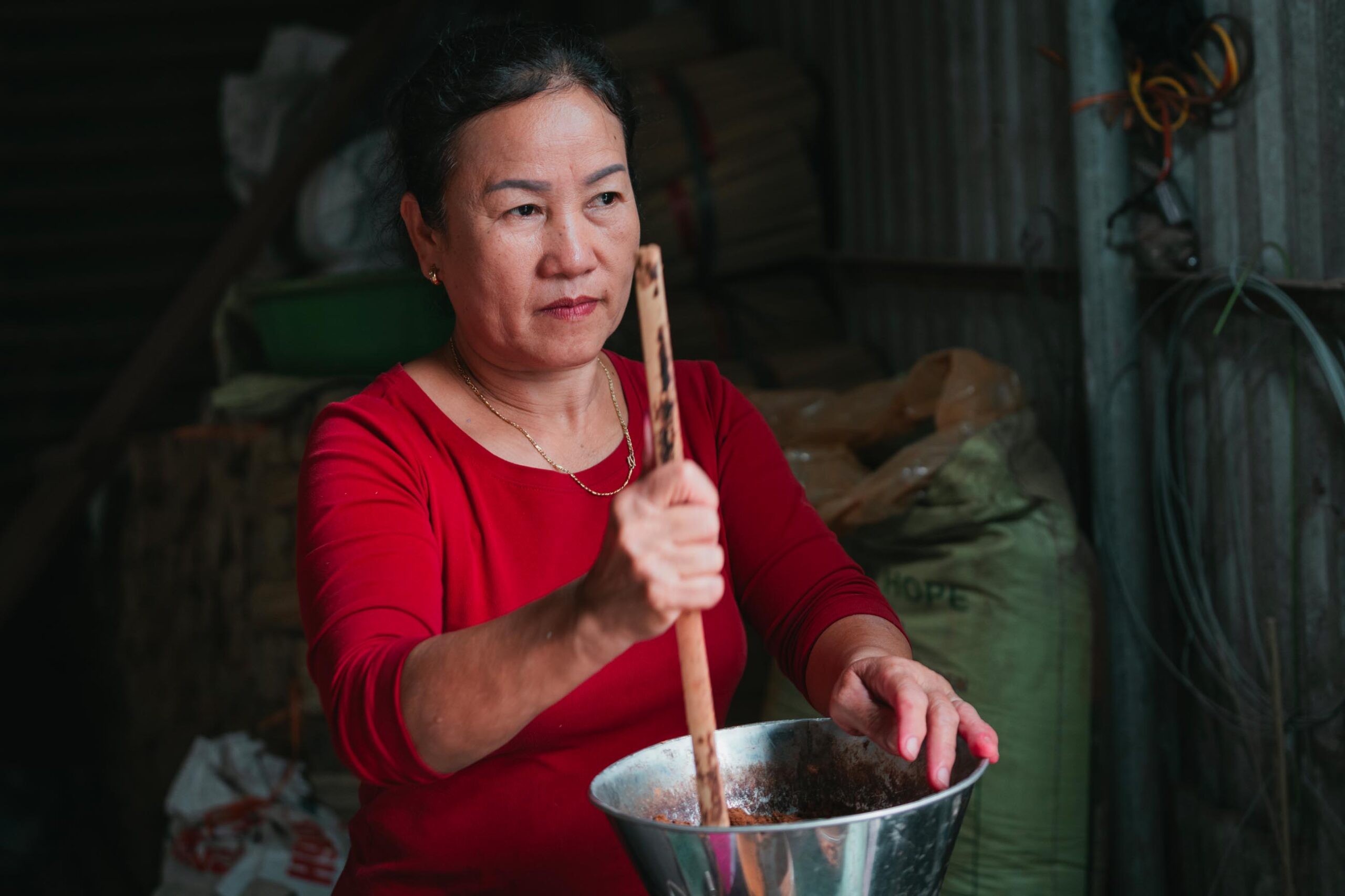
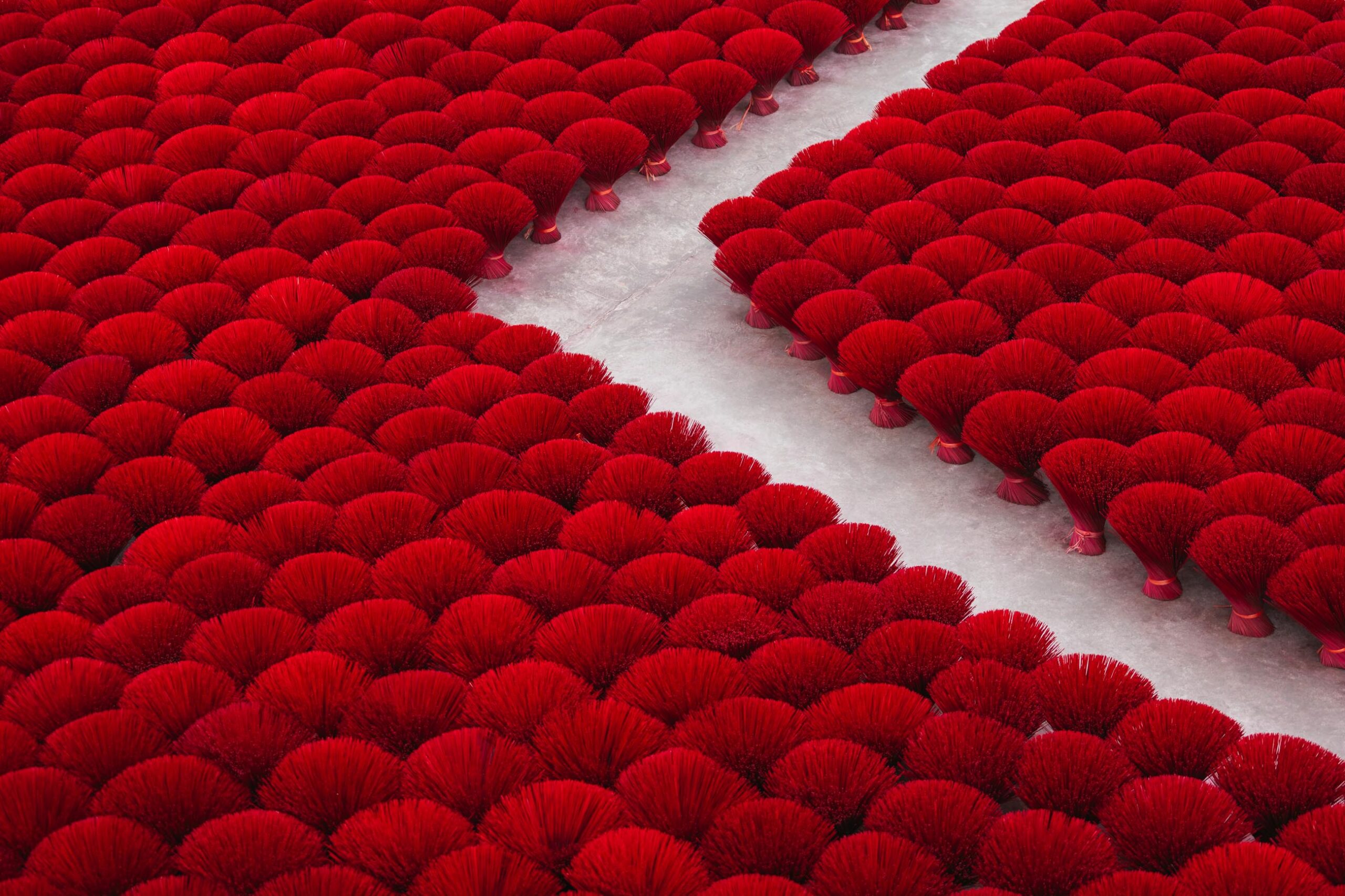
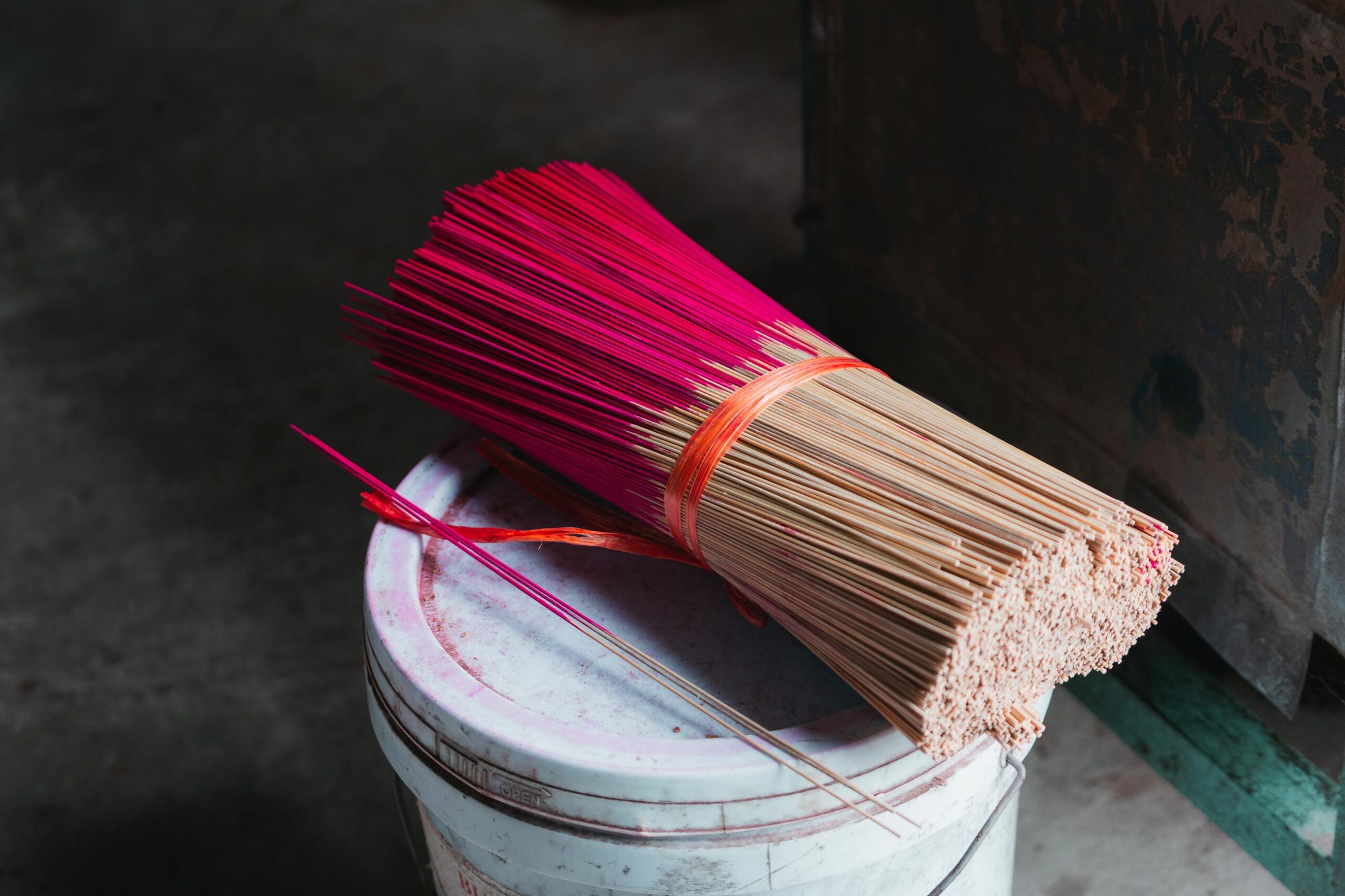
The first stop is Quang Phu Cau, known for its incense production. It is not a village as such, but rather two main spots where you can observe — and photograph — the manufacturing process: the sticks are dyed red, covered with a fragrant powder and then left to dry outside, creating visually striking scenes.

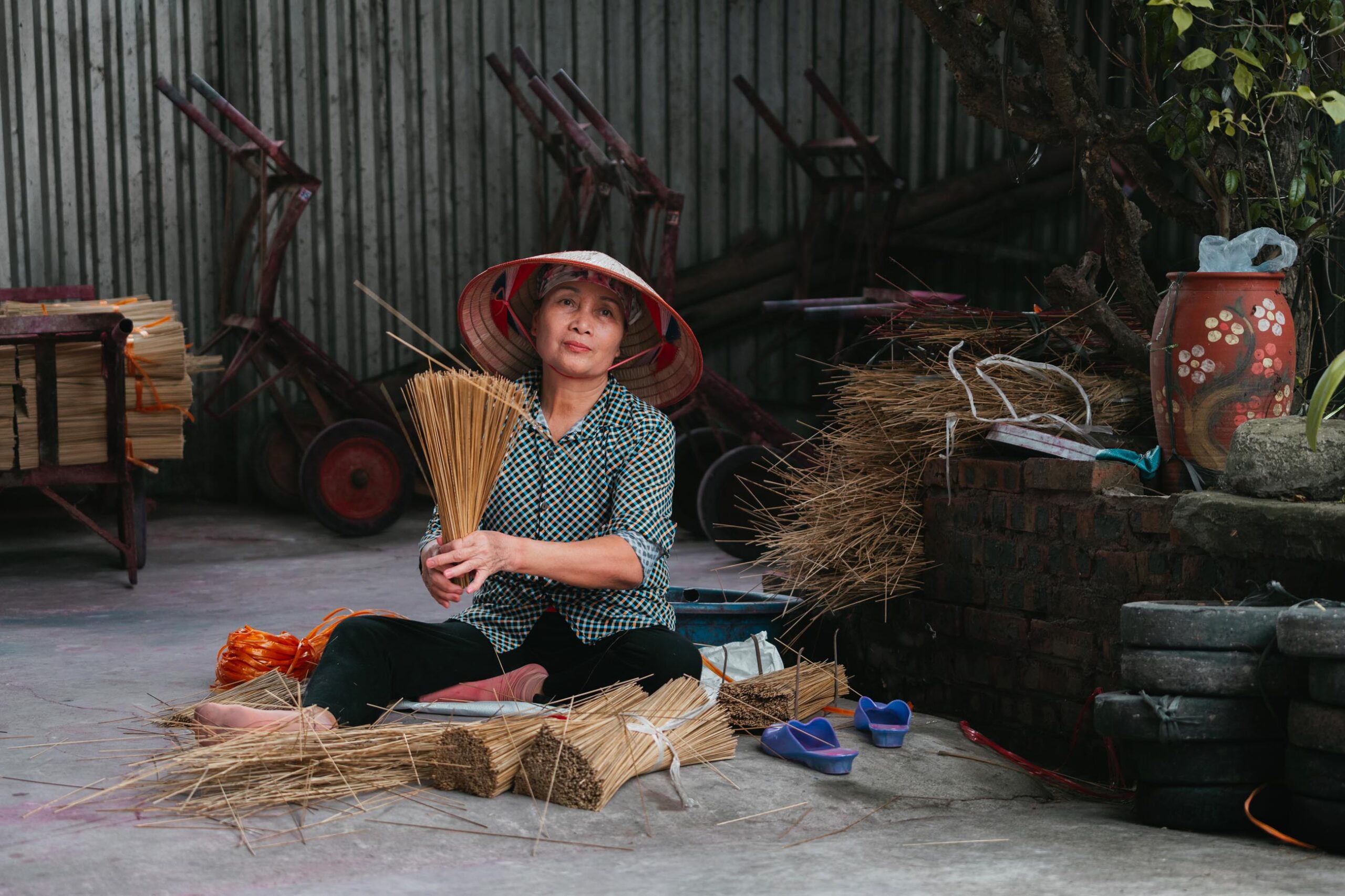
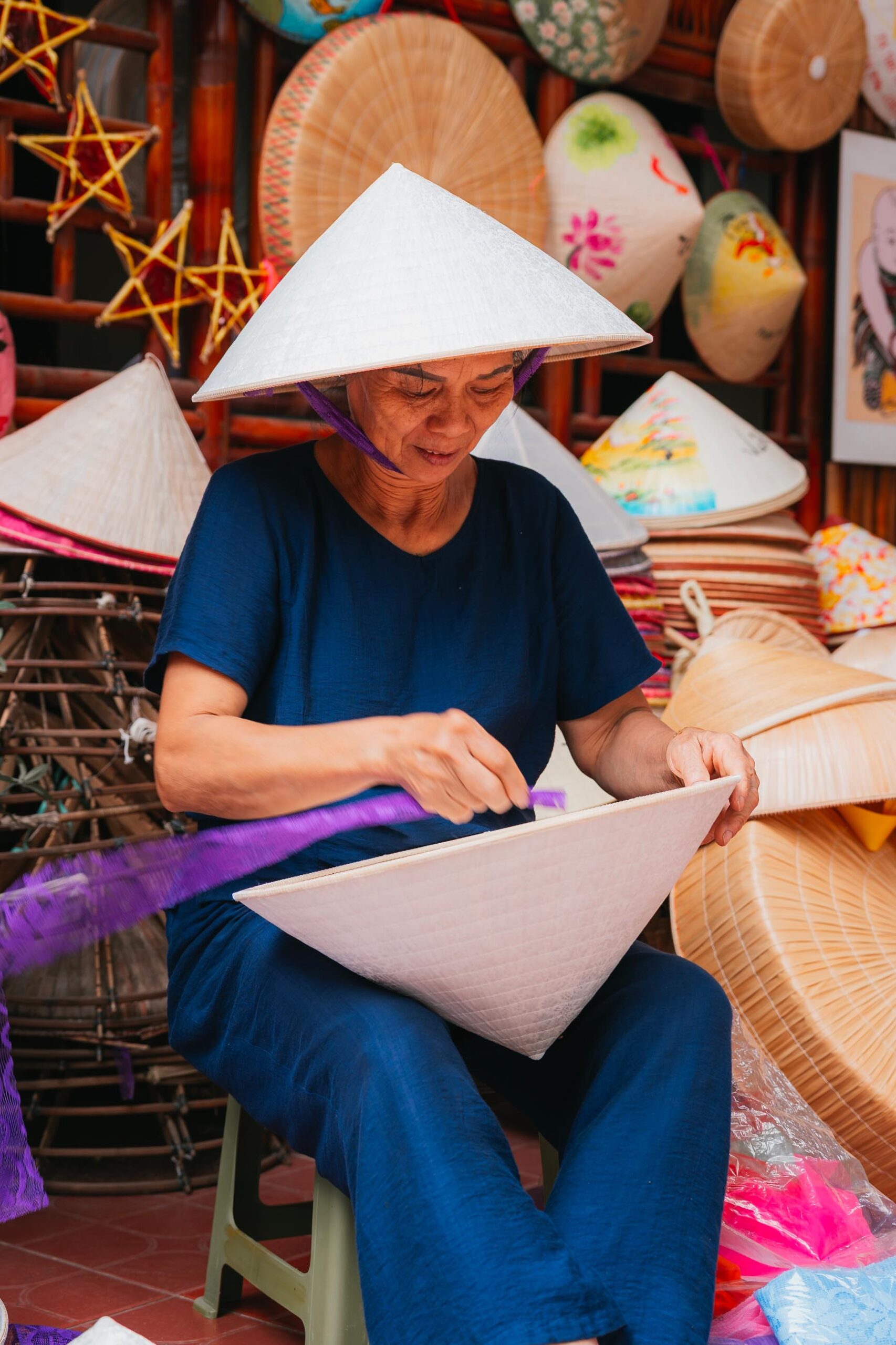
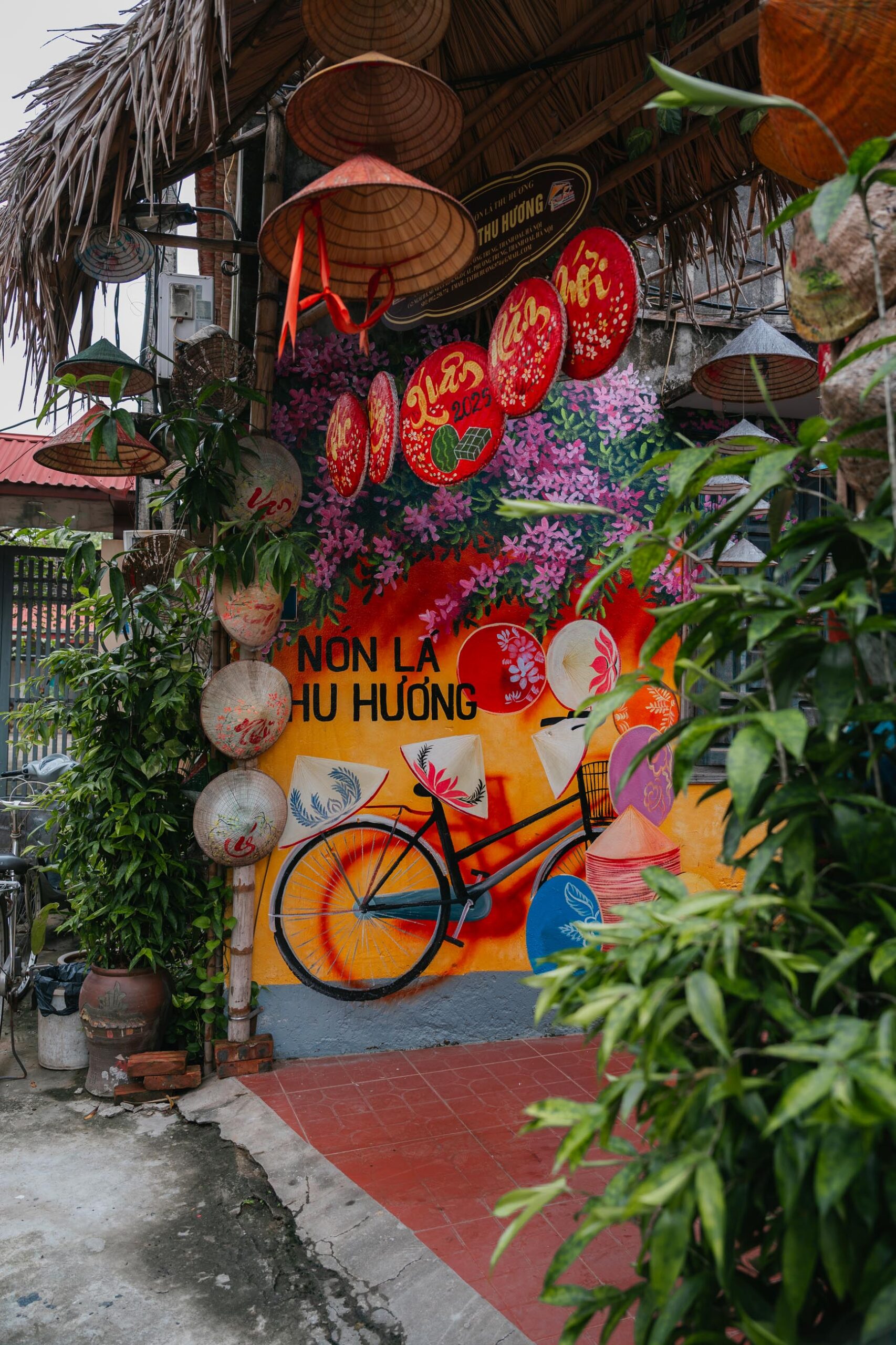
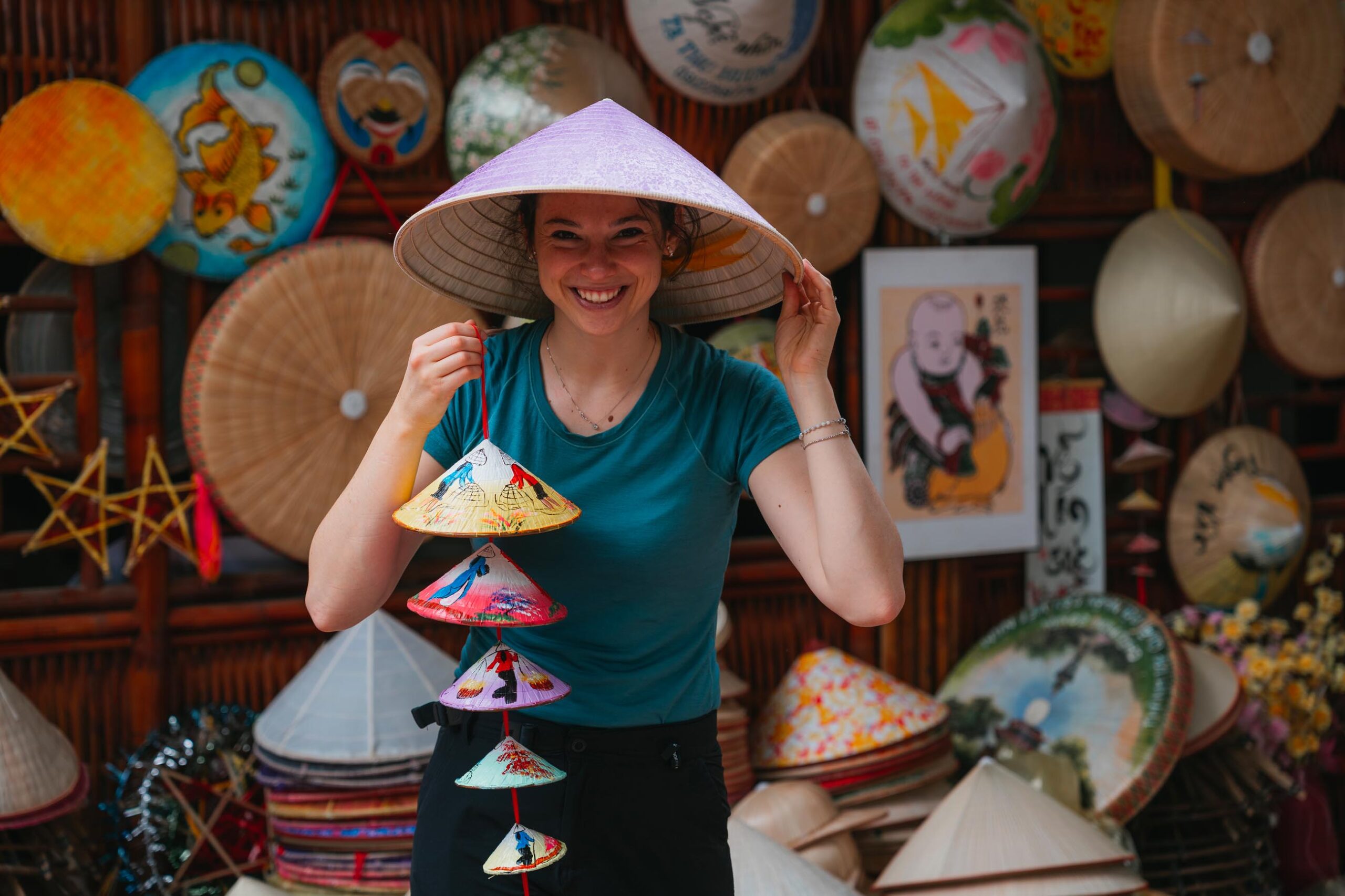
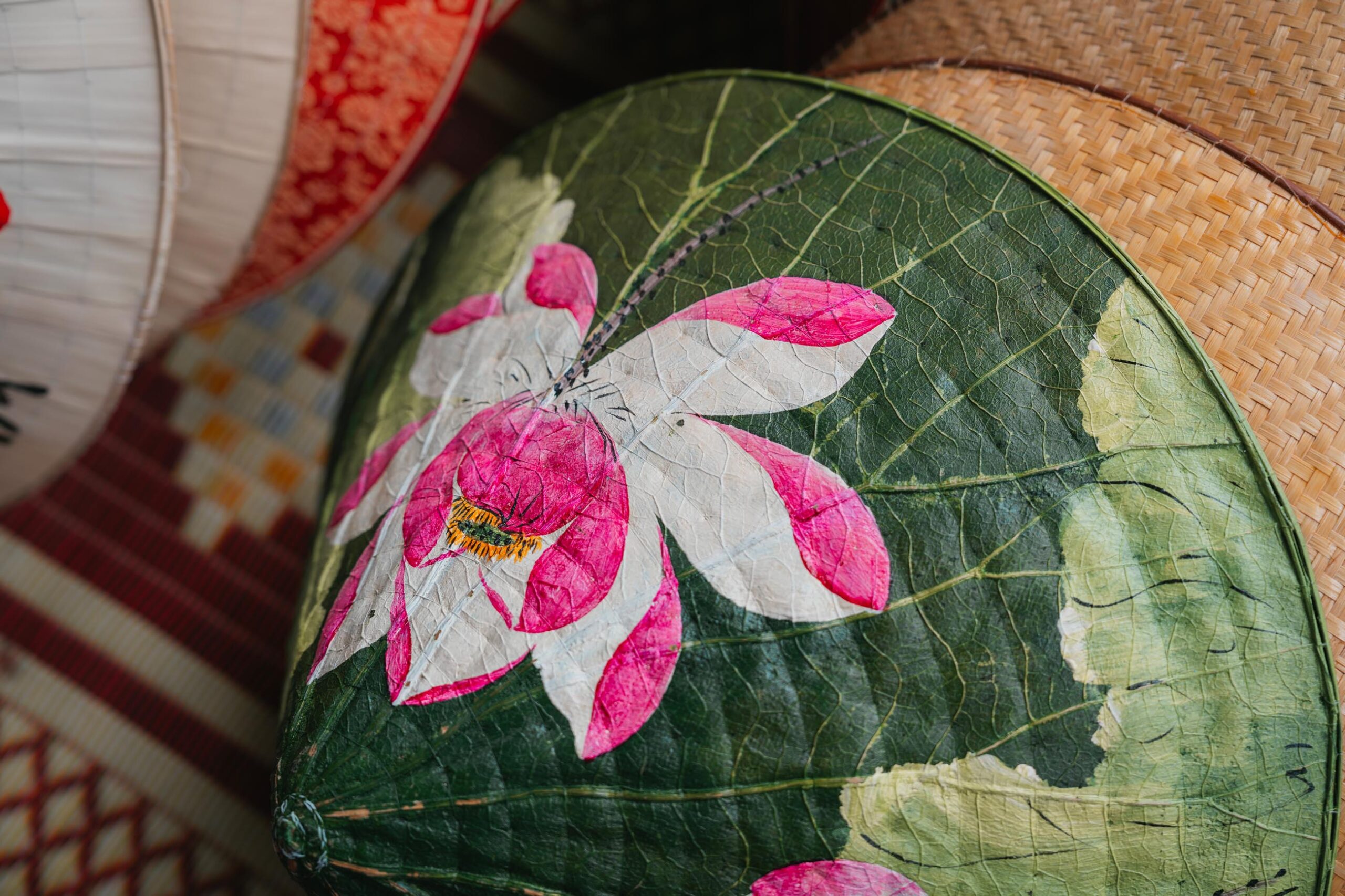
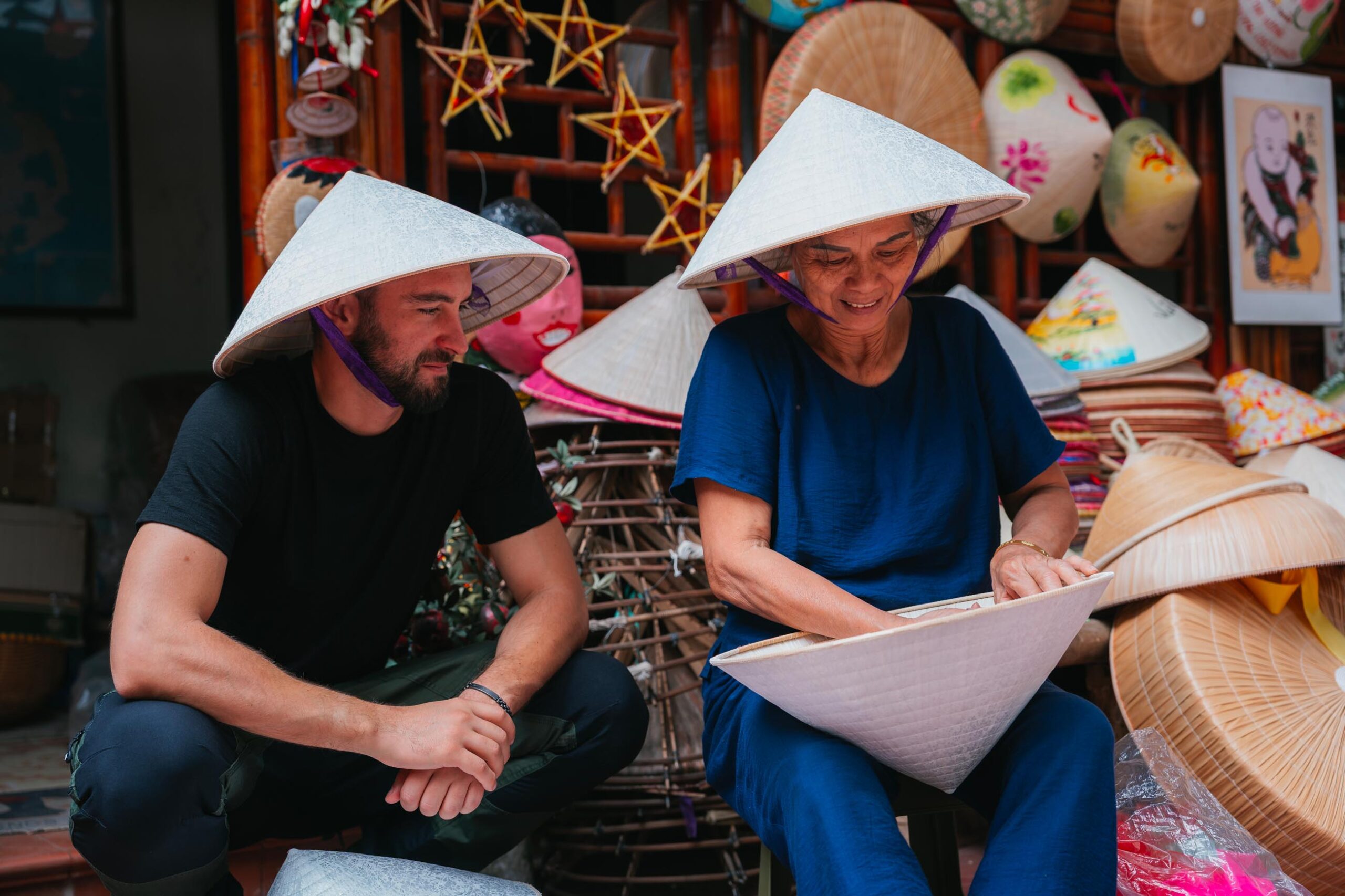
After this first stop, our driver recommends a much less touristy destination: a workshop where most traditional Vietnamese straw hats are made, Làng nón Chuông ✴️ . We are the only visitors here, and the atmosphere is very authentic. This house produces hats for the whole city, some hand-painted, others decorated with dried lotus leaves. We see two seamstresses at work, who kindly let us try on the hats and take some photos. They also tell us that they made one for the Prime Minister. The house, with its large family altar, suggests a certain prosperity.

We then continue towards Van Phuc, the silk village. More than a traditional village, it is a sort of large market, with numerous shops selling traditional clothing made from 100% silk, which is light, colourful and of excellent quality.

For lunch, we stop at a restaurant recommended by our driver, frequented exclusively by locals. We eat fried rice with pork — tasty but rather greasy — accompanied by vegetables and a fish soup. This restaurant is also very simple and spartan, as is traditional.

In the afternoon, we reach Bat Trang, the famous pottery village. A huge amount of production is concentrated here: most of the pottery on sale in Hanoi comes from this very place. You can observe the various stages of production and, if you wish, try your hand at pottery making.

For dinner, we discover a delicious restaurant, where we will return during our next stops in Hanoi: Met – Restaurant & Vegan. There are several locations in the city, all with a very varied menu, quality ingredients and very reasonable prices (in Vietnam, a full dinner often costs just over ten euros). The noodles are excellent; with our tea, we are also served delicious biscuits that melt in the mouth, made with mung bean flour, called rong vang minh ngoc.

We spend the night on the train, the same one we saw passing through Train Street the day before, bound for Sa Pa.

We booked it in advance: our cabin is surprisingly beautiful and clean.
We are travelling on the Vic SaPa Train ✴️, booked through the 12Go website. It is Orient Express style, with VIP berths — we chose the double bed, the best accommodation on the train — and shared bathroom facilities. The railway is a bit ramshackle (they make this clear when you buy your ticket), but the experience is still very enjoyable.

Tomorrow we will arrive in Sa Pa, and from here we will set off on a couple of days of trekking to discover rice fields and small villages inhabited by ethnic minorities, whom we will have the pleasure of getting to know better. Given the walk we have planned, we have decided to leave our large backpacks at the hotel in Hanoi, where we will return to sleep before leaving for Tam Coc.

It is wonderful to lie comfortably in bed and watch the landscape slowly change outside the window until the first light of dawn.